Category: Adventure

  • Eye on an Eagle: a cycling ‘pump track’ will soon be a reality in Blowing Rock

    By David Rogers. BLOWING ROCK, N.C. — What is essentially a corner quagmire in Blowing Rock will soon get a facelift — and become a “pump track” adjacent to Davant Field.

    The cycling attraction is the brainchild of local resident Evan Cutlip as a community project that will help him earn his Eagle Scout accreditation. Cutlip appeared before Blowing Rock Town Council on March 14, presented his plan, deftly answered the council members’ questions and, in the end, gained their unanimous approval.
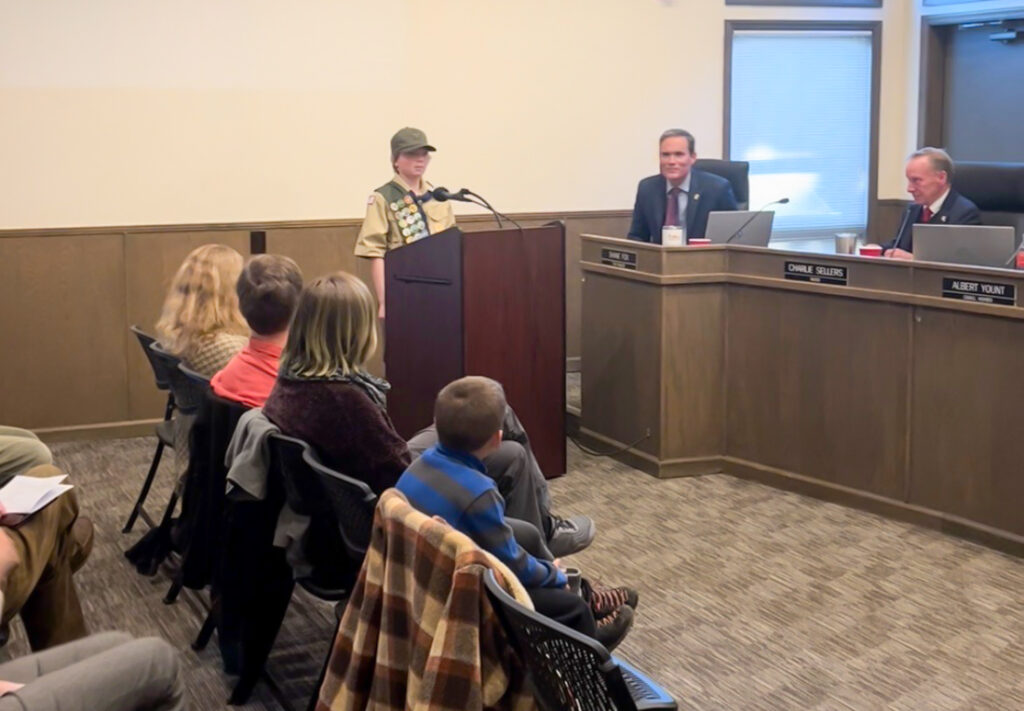
    Evan Cutlip went before Town Council with his plans for a ‘pump track’ on March 14. Photo courtesy of Ron Cutlip

    The project site is located between the Davant Field baseball diamond and Clark Street, currently overgrown with rhododendron and other bushes, as well as home to fallen dead trees, leaves and branches.

    In young Cutlip’s plan, much of the overgrown conditions will be eliminated and dead limbs and branches removed. Added will be a 5-10 feet wide pump track complex of what extreme sports enthusiasts call “berms,” “rollers,” and various “obstacles.” Small bridges are planned for the riders to traverse over a small creek and existing stormwater drainage areas.

    Very little of the rhododendron bushes will need to be removed. “Just enough to make a path for the track,” he said.
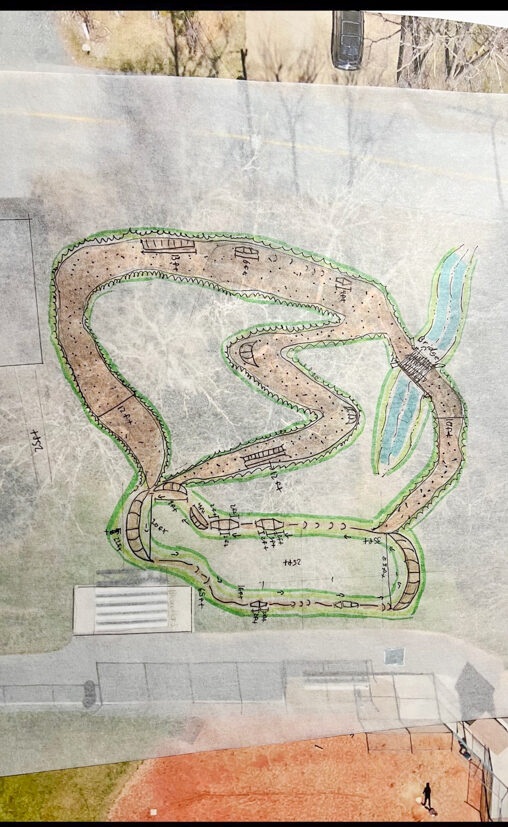
    Evan Cutlip’s plans for a small ‘opump track’ for the area behind the Davant Field baseball diamond. Photo submitted

    The track itself will be comprised of fine, crushed stone that will be compacted so that even heavy rainfall should have little impact, Cutlip told High Country Sports in a March 26 interview.

    The young Boy Scout estimates that it will require as few as three weekends for him and his crew of scouts and community volunteers to complete the project. Since Boy Scouts is in large part about developing leadership skills, it was not lost on Cutlip what one of his biggest challenges will be.

    “One of my biggest challenges will be getting everyone to listen to my instructions and executing those instructions,” he said.

    Going before the Blowing Rock Town Council was fairly intimidating, Cutlip admitted.

    “At first it was pretty scary,” he said. “It looked like the courtroom from a movie. It was big and the people there looked very professional. In one sense, it felt like I was in court for doing something bad! But then I realized that you can also go to court for some good things, too. I was able to power through it with maybe only a little bit of a shaky voice.”

    Cutlip recalled that the commissioners asked a lot of questions about how the track would be built, the supplies used, funding, as well as safety concerns.
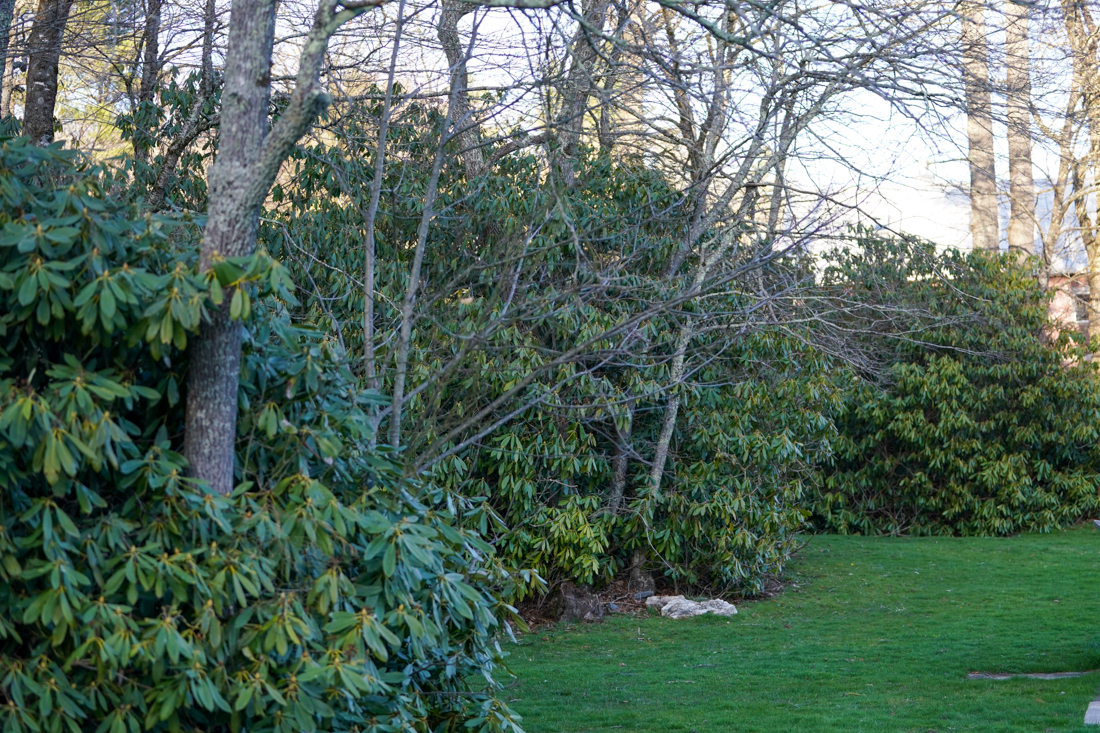
    The ‘pump track’ will be carved out of a wooded area behind the Davant Field baseball diamond. Photographic image by David Rogers

    When grilled by members of the board of commissioners at the March 14 town council meeting, Commissioner Pete Gherini raised the question of town liability in the event of a rider’s injury.

    “No more than anyone using other parts of the town’s recreation facilties,” he said in answer to a similar question from High Country Sports in the March 26 interview. “It would be the same as a kid who might jump off of a high structure in the playground and break his leg. And it would be similar to any county liability at Rocky Knob Bike Park.

    It is my eagle scout project dream.

    now i am actually doing it.

    “It was difficult at my age and experience thinking about stuff like insurance,” Cutlip added, “but they were important questions to be asked and for me to consider. Basically, I told them it would be like someone riding their bike in the park or playing baseball here. People bike everywhere and many do stupid stuff, everywhere they go.

    “I think this pump track could actually result in a decreased number of injuries from biking. You look around Davant Field and there are potential biking dangers all around, from hills to gates and loose gravel. This actually gives people a place to ride where they wouldn’t have to break any rules,” said Cutlip, “and where they can feel like they don’t have to do something dumb to have fun.”
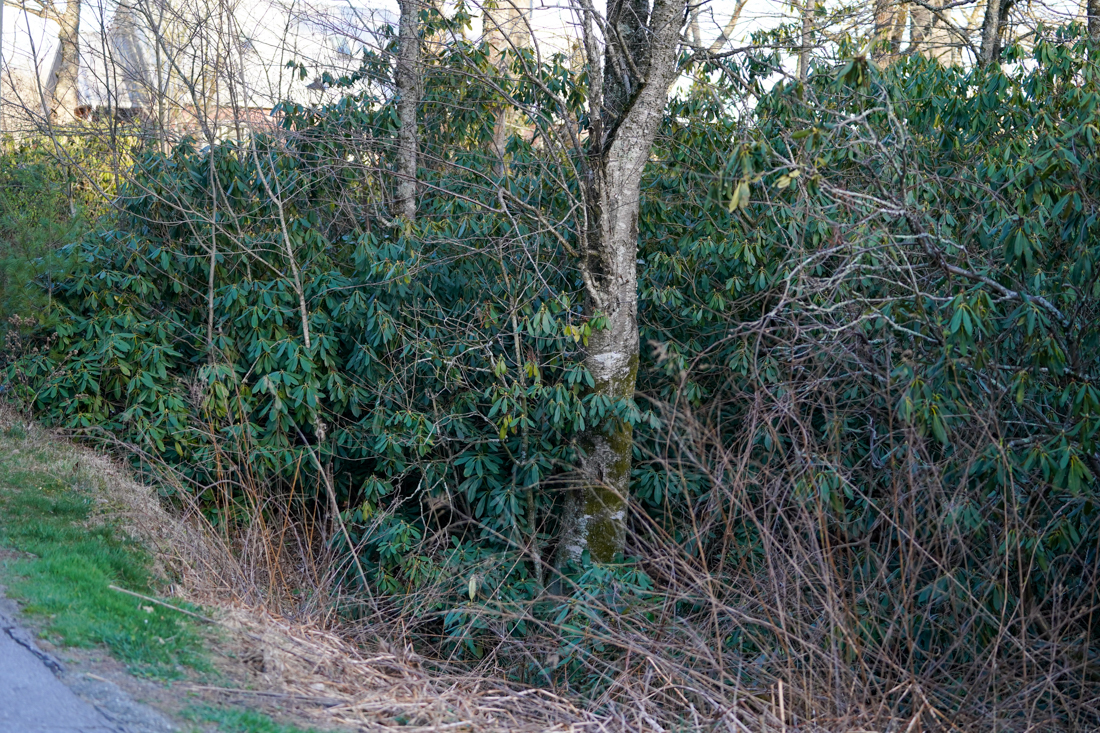
    Looked at from Clark Street, the area intended for Evan Cutlip’s ‘pump track’ is a quagmire of overgrown rhododendron, brush and debris. Photographic image by David Rogers

    Pump tracks are popular among young generations of bicycle enthusiasts and Cutlip indicated that the nearest one to Blowing Rock is 30 minutes’ drive away and made with concrete. He used Boone’s Rocky Knob Bike Park, which was funded in large part by Watauga County and its Tourism Development Authority as a comparative example.

    With pump tracks, the rider may use his pedals to get started but then gathers speed without the pedals, using upward and downward pressure as he or she goes over the rollers. The berms are banked turns in the track, similar to what you might see on a NASCAR track, only on a much smaller scale, Cutlip said.

    When asked about maintenance of the track, Cutlip said that his Boy Scout troop, which is based in Boone since COVID-19 forced the merger of the Blowing Rock and Boone units, are “… always looking for ways to complete service hours. We’ll need to do maintenance on the track about twice a year.”
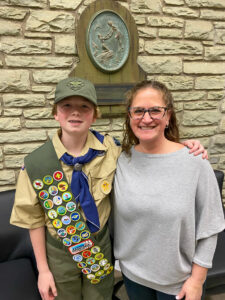
    Blowing Rock Recreation Director Jennifer Brown spoke at the town council meeting and was very much in favor of the feature’s addition to the park by Cutlip, as well as for its cleaning up the area adjacent to Davant Field.

    At its longest section closest to Clark Steet, Cutlip estimated the track would be about 80 feet long. He said it should be one-way, so that riders are not as likely to collide with one another. He also estimated that at any one time up to 10 riders could be using the track safely

    In the town council meeting, Commissioner David Harwood asked about policing the use of the track.

    Cutlip replied that while it would be ideal for a clear line of sight from Clark Street and other potential vantage points so that policemen passing by could view the activities, most tracks are self-policing. He also stated that signage about rules about such things as hours of being open to use is important.

    In answer to a question from Commissioner Doug Matheson at the town council meeting, Cutlip emphasized that barriers in certain sections between the track and, for example, the walkway and bleachers next to the baseball field would be important to protect both the rider and any bystanders.
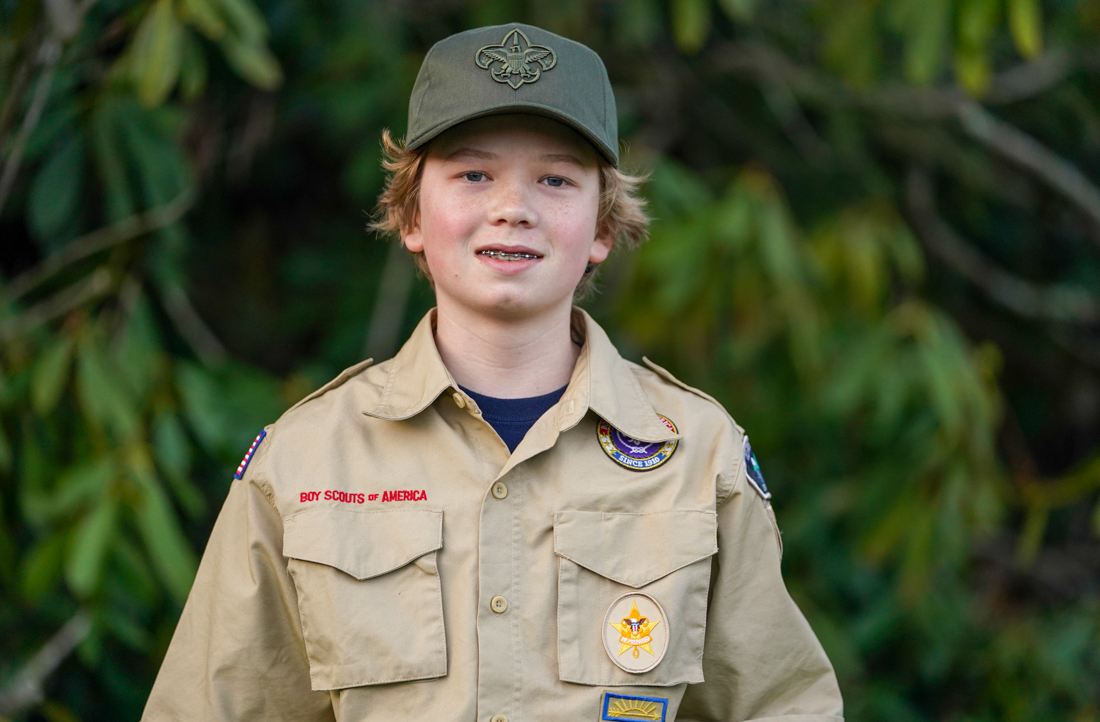
    Evan Cutlip’s ‘pump track’ is a community service project aimed at helping him attain Eagle Scout certification. Photographic image by David Rogers

    Cutlip said that he envisioned the pump track’s creation for his Eagle Scout project about three years ago, when he really started getting into scouting. He is tapping into the skills and knowledge of his father, Ron Cutlip, who is a professional landscape architect as well as one of his scout leader.

    “Becoming an Eagle scout requires much more than just a community service project but it is an important part. Usually, it involves bigger things, such as rebuilding something or helping out with the fire department, that sort of thing. This is what I have chosen to do to practice my leadership, which is mainly what an Eagle Scout project is for. Boy Scouts is all about leadership,” Cutlip explained to High Country Sports on March 26. “I’ve had bikes on my mind and specifically doing a pump track for over three years. It is my Eagle project dream. Now I am actually doing it.”


  • A Remarkable Sporting Life: A lost team contribution

    By David Rogers. BOONE, N.C. — When I was growing up in Bakersfield, Calif., the concept of team was not lost on me but playing sports was personal. That’s because I didn’t have a chance to participate in school sports other than in recess.

    It wasn’t that I was devoid of athletic ability. No, it was just because we lived 15 miles out in the middle of the oilfields where my father worked. I had to take the big yellow bus back and forth to school.

    When I broached the idea of riding a bicycle the 15 miles each way, my parents simply said “no.” They said it was too dangerous with the heavy oilfield truck traffic, narrow two-lane highways, and the frequent foggy mornings and nights when “tule fog” enveloped the Central Valley and you couldn’t see the hood ornament on your car, much less a crazy kid up ahead, riding a bicycle on a state or county highway.

    Looking back, they were probably right even if the athlete in me felt deprived — and I hated being “economically disadvantaged” and resented where we lived just that much more. Frankly, it was pretty selfish of me to resent what we didn’t have and not appreciate what we did have. As a kid, I didn’t know or understand the significance of my being only one generation removed from the Dust Bowl migration that my parents and their siblings somehow survived by migrating from Oklahoma and Texas to Central California as farm and oilfield laborers. They had virtually nothing upon arrival except hopes for something better.

    So when I graduated from high school I wanted in the worst way to get out of the area and go to a small college where I might have an opportunity to play sports, if I proved good enough.

    I chose an experimental college, Johnston College at the University of Redlands, a private institution about 60 miles directly east of Los Angeles. I remember Redlands as being one of the last outposts of civilization before you got into the Mojave Desert.

    From an academic standpoint, Johnston was an intriguing educational model. I was the first freshman admitted to the school and we were even written up in Time magazine (Oct. 3, 1969 issue) as “the most radical experiment in higher education” of the time. It was all about “the living-learning experience.” Looking back, it was radical inasmuch as we designed our own curriculum and students fashioned many of the classes. One of the first mature decisions I made was to transfer after a year, to Claremont McKenna College, because I knew I wasn’t ready for Johnston’s lack of structure.

    At Johnston, though, we were able to go out for the larger, University of Redlands athletic teams. One of my first friends in college was a fellow named “Jim” and he was an accomplished high school wrestler. Of course, he encouraged me to join the Redlands varsity team. Me, the wide-eyed freshman who knew little or nothing about wrestling — much less the difference between “riding time” and a “whizzer,” said “yes.”

    I bring this up now because in covering the SoCon Wrestling Championships this past weekend hosted at the Holmes Convocation Center, my active mind started reflecting back on my own brief experience in the sport, at the college level, no less. Of course, the guys from Appalachian State, Chattanooga, Campbell, Davidson, Gardner-Webb and the like were far better athletes and much better skilled than the 1969 Redlands team, except for maybe one guy.

    Our 142-pounder, Bobby Morrison, was an NAIA All-American all four years while competing for Redlands. He was the captain of our small team. Even though I was brand new to the sport and had no match experience of any kind, I quickly became the No. 2 guy for Redlands in the 157 lb. weight class. That’s only because there was no No. 3 or No. 4.

    From time to time, I was pitted against Bobby, the All-American, in our practice bouts. Bobby told me at the end of the season that the thing he hated most about practices that year was when he had to wrestle against me. Now that may seem like a compliment, but it wasn’t really. I had little to no skill, but what I did have was a large wingspan and I was pretty strong. As much as he tried every trick in the book, I never once remember him turning me over for a pin, or what the scorekeepers this Saturday recorded as a “fall.”

    Making weight is often a challenge for wrestlers. My normal weight was 165 back then, so getting down to 157 took at least an effort for the lean young man that I now wistfully remember I was. Every week before a meet or tournament, I always made weight — even though there was not a ghost of a chance that I would ever see the mat in competition.

    And that is where this life lesson reaches a critical turn. All my Redlands teammates did pretty well at the Southern California Intercollegiate Athletic Conference meet and the next team competition for us was the larger regional competition, the “District” tournament. The NAIA was the larger national organization for the small school athletic conferences back then. The NCAA Division III wasn’t organized for another few years, in 1973. So, for the small colleges and universities, a team qualifying for an NAIA District-level competition was pretty heady stuff.

    All of our Redlands team members weighed in successfully for the District meet, except one: “John,” at (you guessed it) the 157 lb. weight class. We scrambled to do everything we could to get his weight down that morning. He did jumping jacks and crunches until he worked up a sweat. He sat in a sauna.  And the whole team worked him over with towels, trying to get every speck of water weight off his body.

    Our efforts failed. He was still half a pound over when the final weigh-ins came.

    And there begins my tale of early regret.

    The head coach came to me almost apologetically and said, “Well, David, it is up to you whether you want to take John’s place at 157 lbs. None of us expect you to.” Boy, talk about a confidence builder!

    In short, I was paralyzed by the opportunity as well as the coach’s words. He knew damn well that I was nowhere close to being ready for District-level competition. I hadn’t even wrestled in a dual match. I was the tackling dummy for our team practices. It would have been insane for me to go out there and what would surely be an embarrassing first competitive outing.

    None of my teammates said a word. No one pressured me because I might deliver a team point or two in someone’s wildest dreams. They also knew it would be like throwing lambs to hungry wolves.

    So I declined. Not as a teammate, but as an individual I said “no.” I put my potential individual embarrassment, even if it was certain, ahead of the team’s interests.

    Here we are, 54 years later, and I have learned a thing or two about putting personal pride over team goals. Watching the individual App State athletes exult in their individual efforts toward the Mountaineers’ team victory this past Saturday kind of rubbed it in for me. In 1969, I made the wrong choice.

    I should have put the potential for individual embarrassment aside.  I should have wrestled. I should have competed. That’s what sports is all about. That is what I had trained for. Perhaps a miracle would have happened and I earned the team a point or two. You just never know in sports. That’s why they play the games and don’t let the seedings or reputations determine the winners or losers. If an All-American couldn’t pin me, maybe another guy would have trouble, too.

    In retrospect, I lost an opportunity for being the champion of an individual effort for a larger cause. Nobody but me will remember that I chose not to compete at the District tournament. I was an afterthought, at best. But oh, if I had won a round or even two and helped put the team on the victory stand, a few gray-haired old men might still have their tongues a-waggin’ about it.

  • Grandfather Mountain’s ‘Eco Watch’ expands across Avery County

    LINVILLE, N.C. — Fifth-graders in public schools across Avery County are receiving a mountain adventure right in their own classrooms and schoolyards thanks to the Eco Watch educational outreach program offered by Grandfather Mountain, the not-for-profit nature preserve run by the Grandfather Mountain Stewardship Foundation.

    The program provides educational enrichment in line with the North Carolina Standard Course of Study for fifth-graders. After an initial pilot at Banner Elk Elementary School last academic year, where student knowledge of related science concepts increased from a pre-program assessment average of 72 percent to a post-assessment average of 86 percent, the program has been expanded to four out of the five elementary schools within Avery County’s public school system.

    “The material aligns with the subject matter covered on the N.C. End-of-Grade Science Test that begins in fifth grade,” Cassie Petrilla, education specialist with the Grandfather Mountain Stewardship Foundation, said. “The program allows students to take hands-on outside experiences and relate them to curriculum taught in class. It creates a learning experience that helps apply science concepts and accommodate different learning styles.”

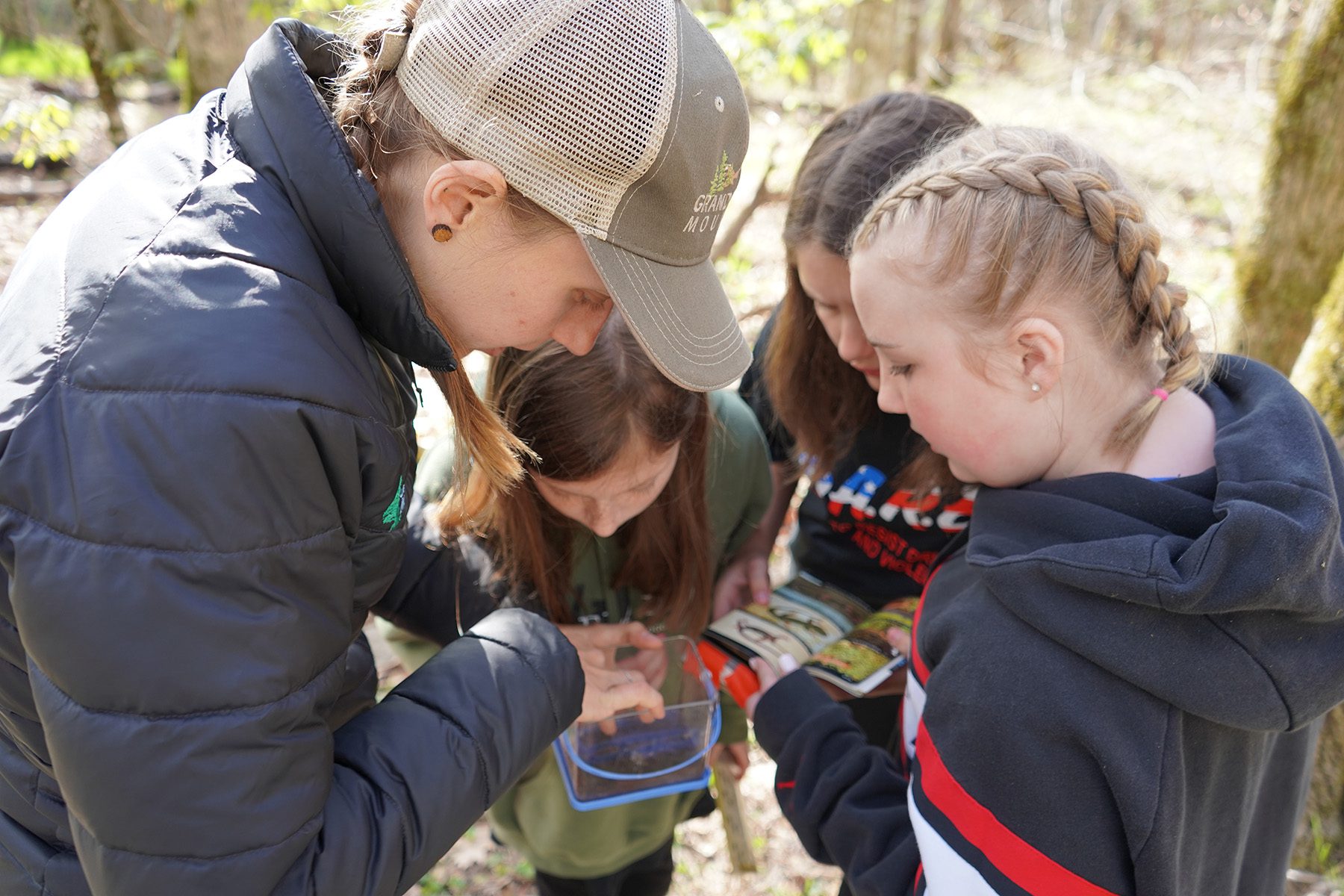
    Cassie Petrilla and students during Eco Watch_Courtesy of Grandfather Mountain Stewardship Foundation: The Eco Watch program, coupled with the Wild Watch program, which provides similar outreach to first-graders in Avery and Watauga counties, offers a truly unique experience for Grandfather Mountain educators to support academic achievement, enrich learning in science and shape the next generation of conservationists and stewards of the natural world. (Photo Courtesy of Grandfather Mountain Stewardship Foundation)

    Eco Watch provides students with six in-depth interactions with one of the mountain’s expert naturalists, plus two field trips to Grandfather. A portion of these interactions focuses on weather and weather patterns, data-collection instruments, how to think like a scientist, how to make observations and how weather patterns affect the students and the world around them.

    The other half of these interactions throughout the spring semester focuses on the ecosystem unit. The educator teaches students about the various important components of an ecosystem, including its physical properties as well as its biological properties – such as the producers, consumers and decomposers present. The students also learn about the different types of ecosystems and how everything in nature is connected.

    “Everything we do is hands-on,” Petrilla said. “For the ecosystem unit, we do an activity called ‘Jays and Juncos’ that teaches how an ecosystem supports species without depleting its resources.”

    Best of all, the students always get outside. During a recent Eco Watch visit at Banner Elk Elementary, Petrilla led the students in an exercise where they identified the types of clouds overhead and what they mean for the overall weather forecast. The students then used an anemometer and a windsock to study the direction of the wind and its speed.

    During the weather unit, classes take their weather-recording capabilities to the next level as they visit Grandfather Mountain’s Mile High Swinging Bridge and record the daily weather reading from the National Weather Service reporting station near the bridge and at the Wilson Center for Nature Discovery. Students compare and contrast their weather data to the weather they observed at their school before leaving on the field trip.

    In May, at the end of the academic year, the students will return to the park once more and get their hands dirty as they explore Grandfather Mountain’s own unique and biologically diverse ecosystems. Last spring, the students ventured along the Woods Walk Trail and searched for salamanders, dug up creepy crawlies and tried their hand at identifying the plants blooming on the mountain.

    Afterward, the class headed to the Mildred the Bear Animal Habitats, where they learned all about the mountain’s resident cougars, black bears, otters, elk and eagles.

    The Eco Watch program, coupled with the Wild Watch program, which provides similar outreach to first-graders in Avery and Watauga counties, offers a truly unique experience for Grandfather Mountain educators to support academic achievement, enrich learning in science and shape the next generation of conservationists and stewards of the natural world.

    “My favorite thing about teaching these programs is seeing the kids every month and witnessing first-hand how much they’re learning and growing throughout the year,” Petrilla said. “You get to see the overall progress and see them grow in their appreciation for nature. Plus, now I will be able to see the first-graders grow up and see them again in fifth grade.”

    The fall semester of the Eco Watch program has been partially funded by a grant from the WNC Bridge Foundation, which provides funds to address health challenges being faced by people across Western North Carolina. The foundation supports initiatives for children and youth that have a long-term impact on the health of communities, including improving academic outcomes by providing academic support and enrichments.

    To learn more about Grandfather Mountain’s educational initiatives, visit grandfather.com/education.

    The nonprofit Grandfather Mountain Stewardship Foundation strives to inspire conservation of the natural world by helping guests explore, understand and value the wonders of Grandfather Mountain. For more information, visit www.grandfather.com.

  • REVIEW: Getting into the season with ‘A Carolina Snowbelles Christmas’

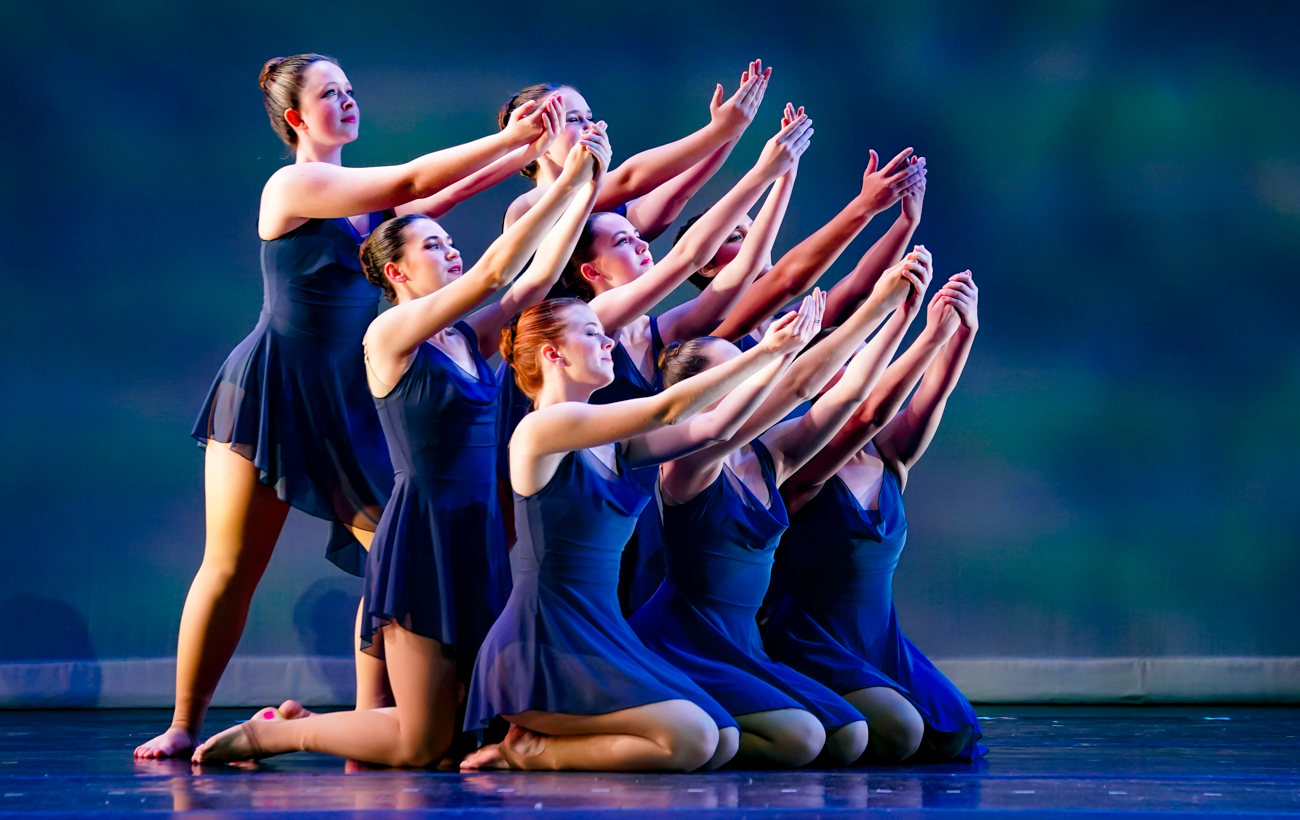
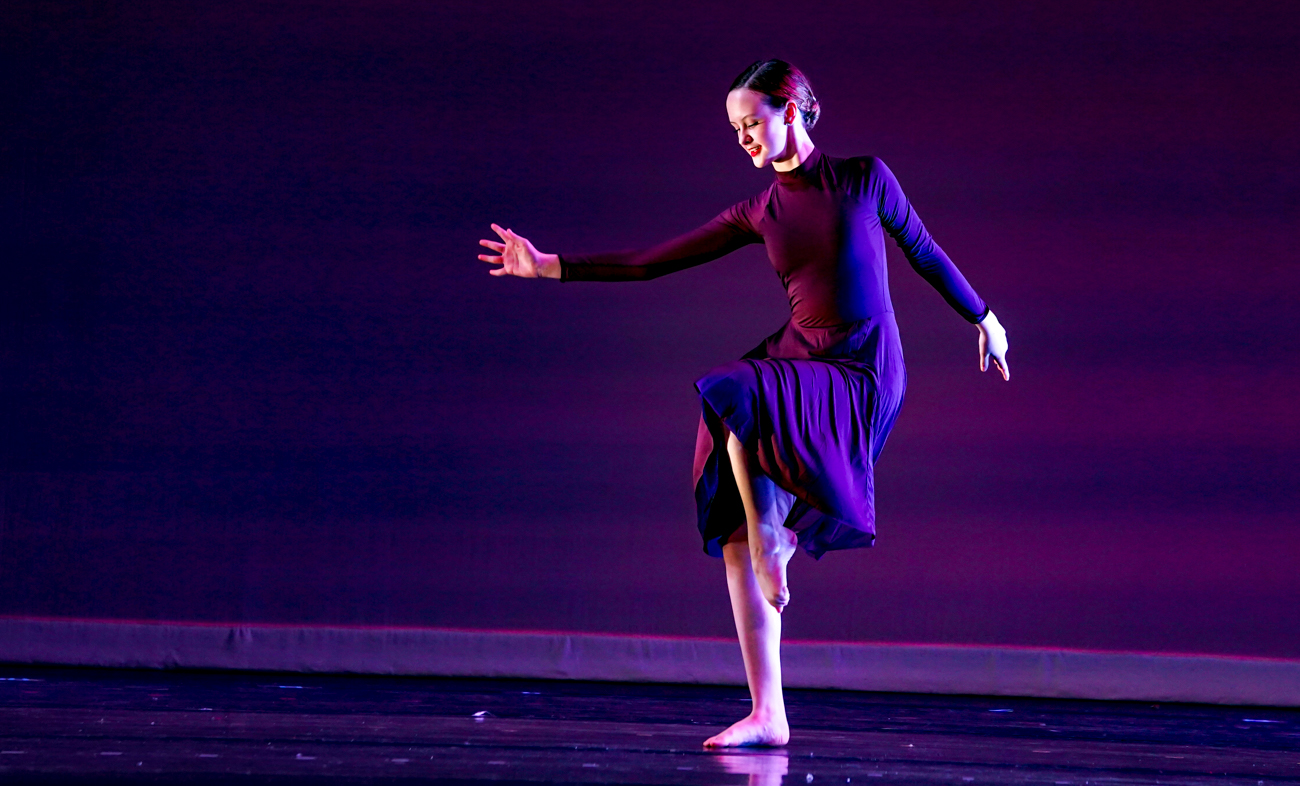
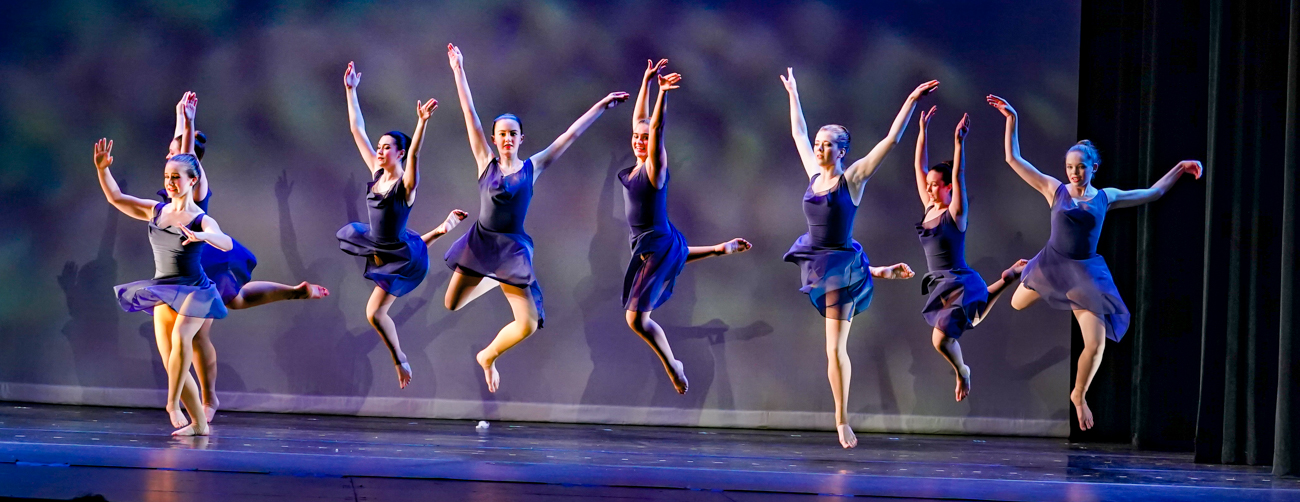
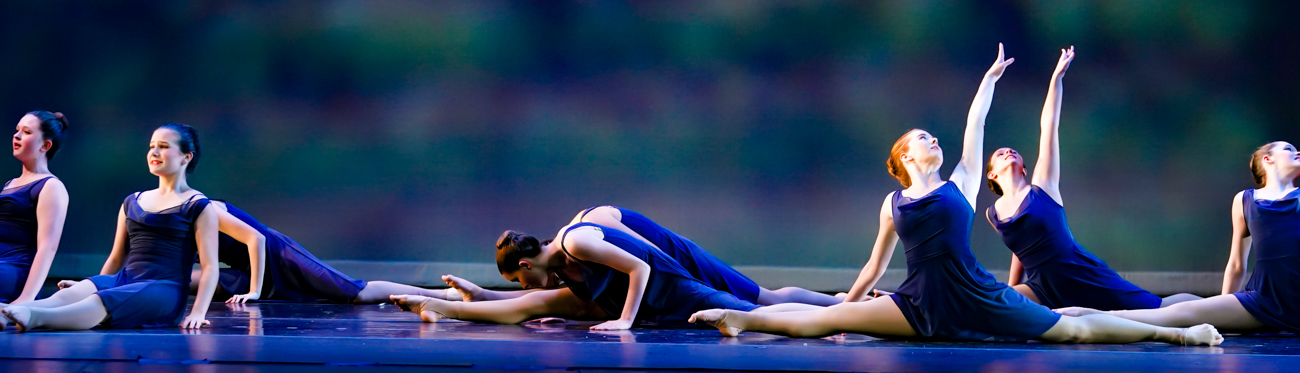
    By David Rogers. BOONE, N.C. — I can’t think of a better way to get into the Christmas spirit than taking in “A Carolina Snowbelles Christmas” at The Appalachian Theatre, Dec. 3-4. It was a combination of grace, artistic flair and undeniable athleticism.

    More photographic images at bottom of this article.

    The Snowbelles are about more than precision dancing as an art form. It is the end result of the work by The Project Dance Foundation, the non-profit organization that got its start in New York City in 2002, with a mission of providing training, networking, education, and performing opportunities for dancers worldwide. While the New York City mission is in its 16th year, founder Cheryl Cutlip is now a resident of Blowing Rock and formed a chapter in the High Country, in 2915.

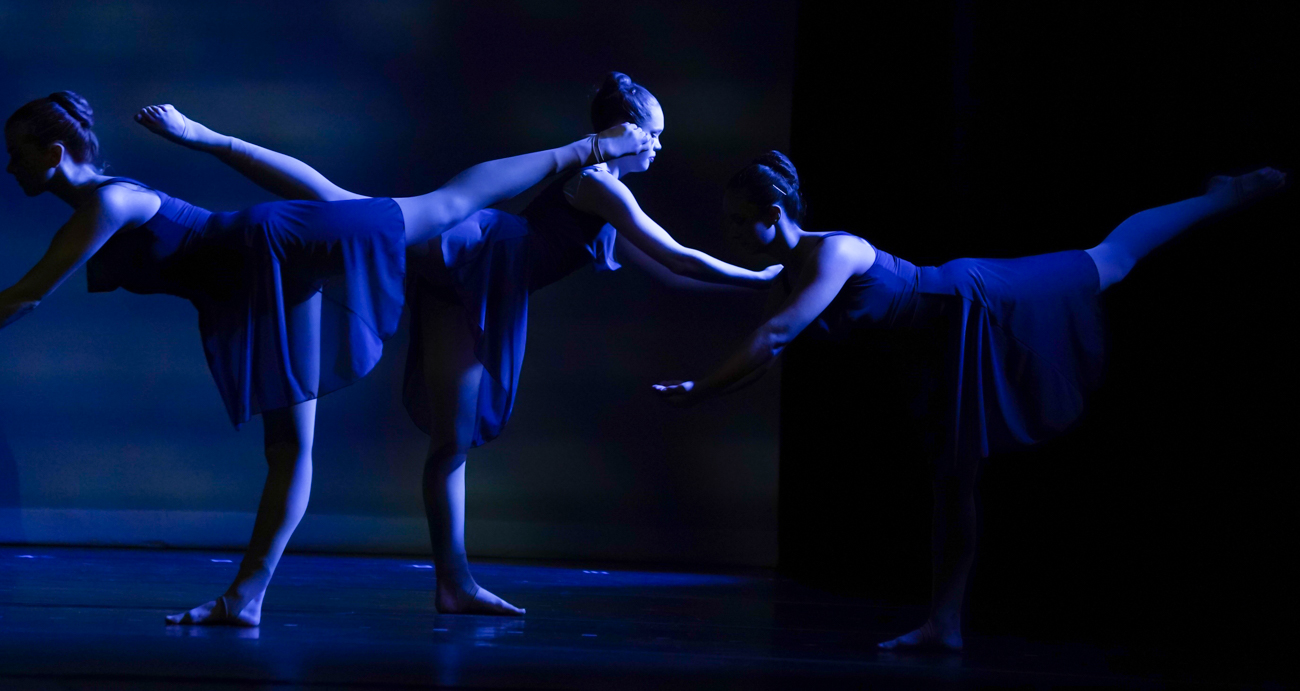
    A Carolina Snowbelles Christmas. Photographic image by David Rogers

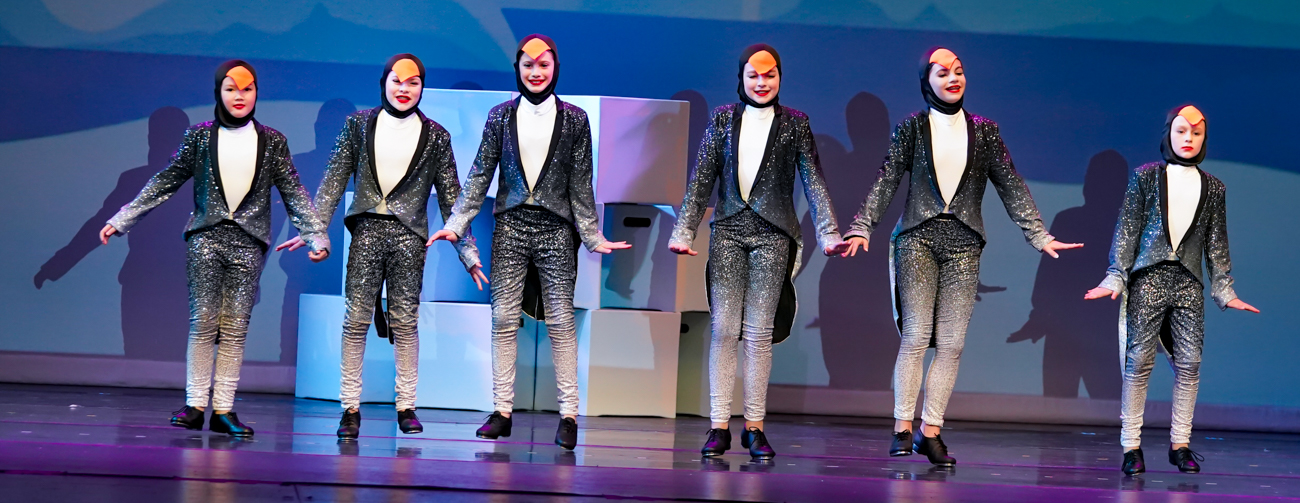
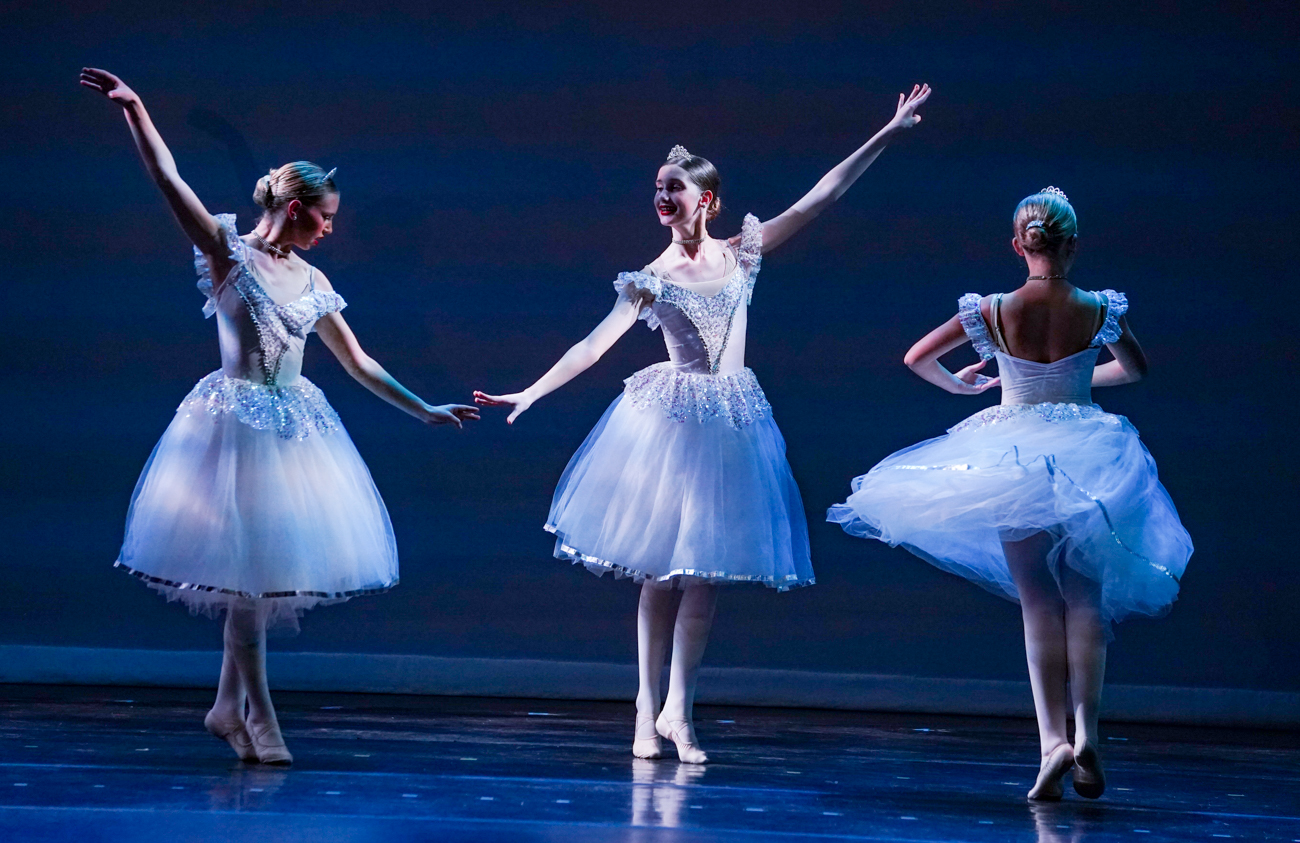
    “A Carolina Snowbelles Christmas” attracted a packed house for its opening night at The Appalachian Theatre in Boone, which proved a perfect venue for the show. From the costuming to the choreography and to the talented troupe of dancers, the performances were at once beautiful and inspirational. Mixed in with the reverence of the Christmas moment featuring selections from The Nutcracker Suite and “O Holy Night,” there was plenty of laughter and fun, including dancing penquins and jazz. A special addition to the High Country show were performances by the Turning Pointe dance company from Wilmington, N.C., a part of the Wilmington Conservatory of Fine Arts.

    Because of Cutlip’s background of performing with Radio City Music Hall’s The Rockettes for some 15 years in New York, there is a quintessential “Rockettes” style of precision to the dance routines.

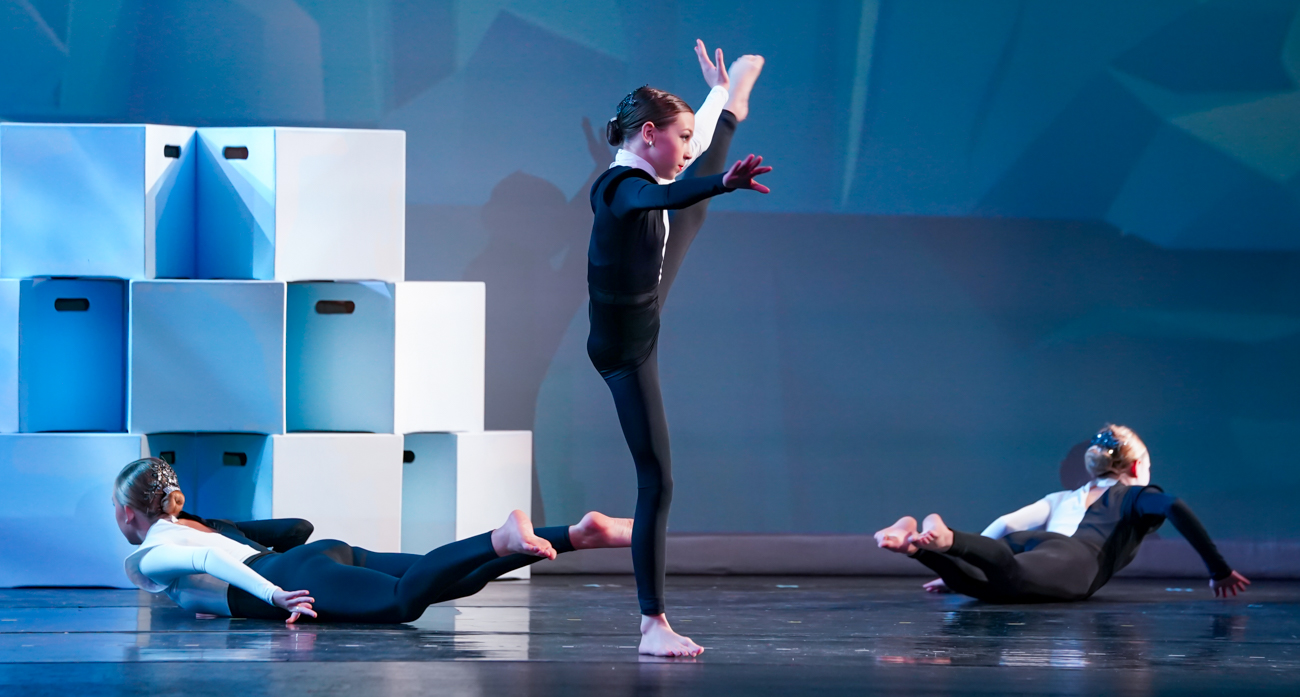
    A Carolina Snowbelles Christmas. Photographic image by David Rogers

    With the Snowbelles, arm movements are often as critical to the performance as the movement of feet and legs and that was readily apparent in “Merry and Bright,” which Cutlip described as an inaugural piece that has been danced by every Carolina Snowbelles troupe since 2015. “It continues to be an audience favorite,” said Cutlip.

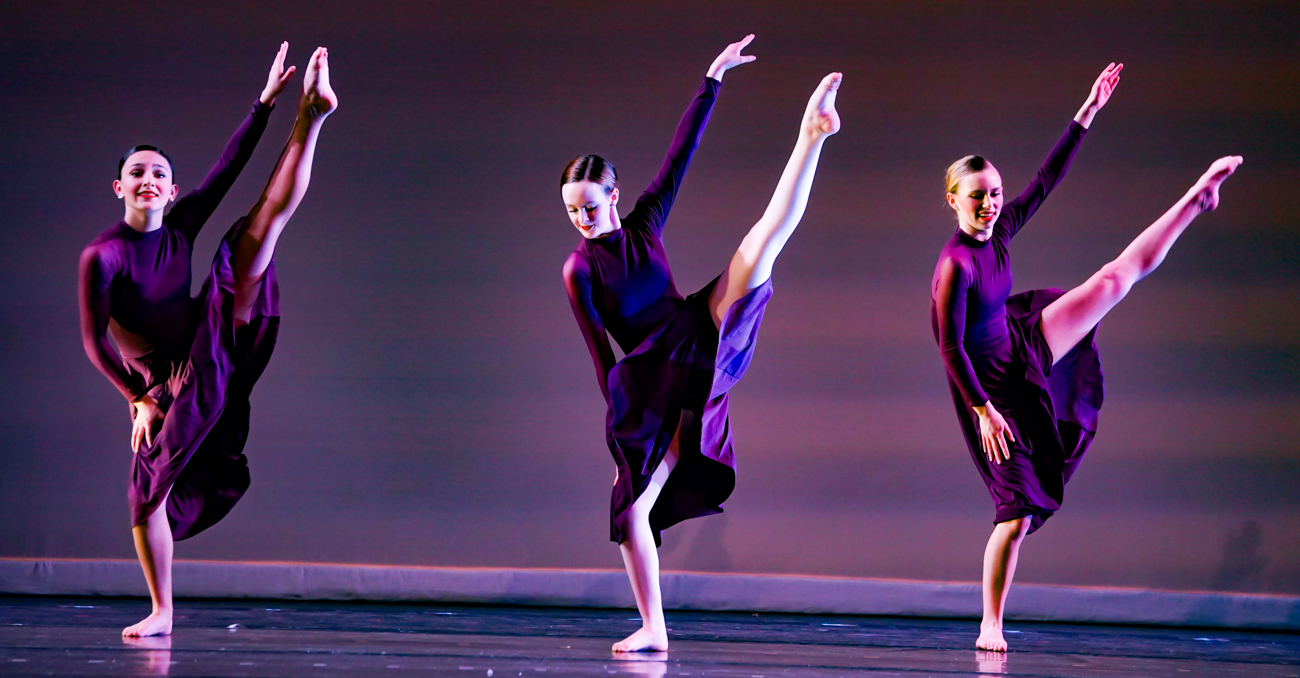
    Festive white costumes with matching caps dip and swirl with the dance movements, including the Snowbelles’ Rockette-like, chorus line high kicks in unison that brought enthusiastic audience applause — and even a few raucous yelps.

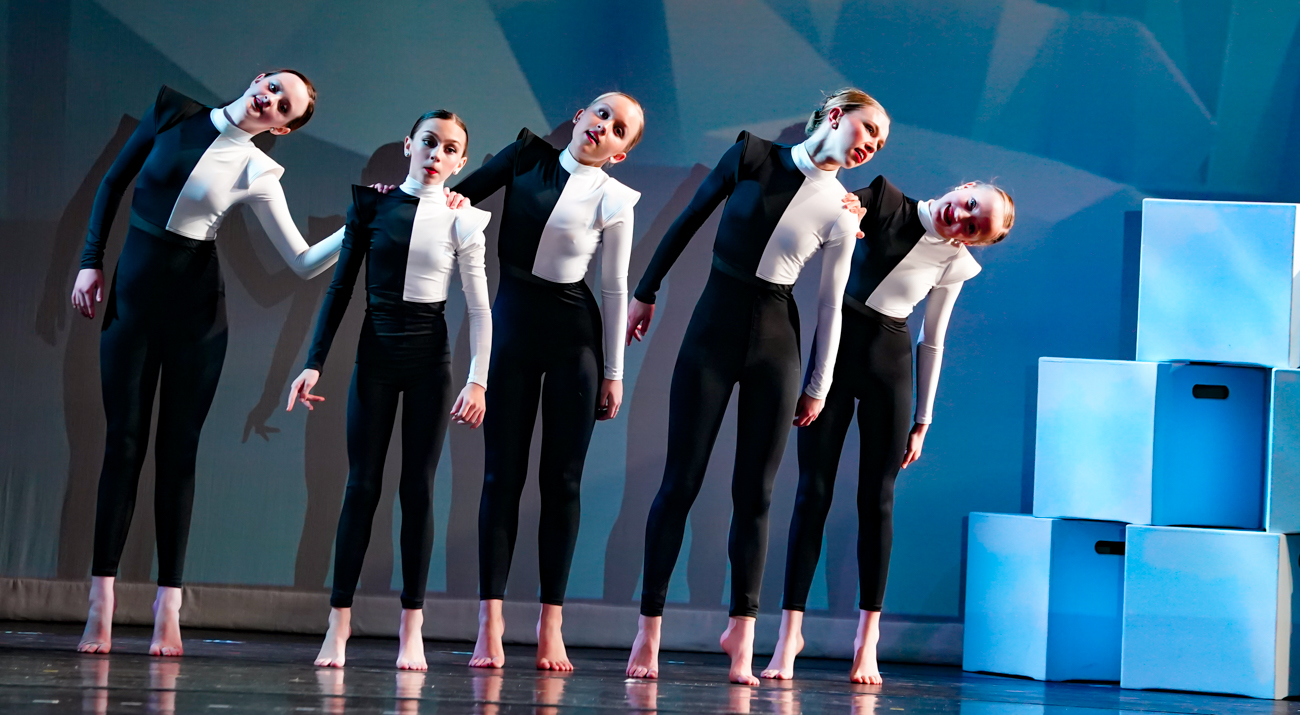
    A Carolina Snowbelles Christmas. Photographic image by David Rogers

    In “An Arctic Adventure,” Cutlip said she imagined “… a scene where audience members could, for a moment, escape the reality of life and venture into a land where penguins tap dance on ice cubes, glide on glaciers and groove to the beat.”
    Watching among the youngest of the dancers mimic “teacher” Cutlip in how to move like a penguin was loads of fun, obvious for dancers and audience alike.

    A Carolina Snowbelles Christmas. Photographic image by David Rogers

    A piece late in the show was called “Like This,” which Cutlip explained, “… exemplifies the strength of the young women in our company by combining their individual uniqueness within the unit of precision jazz. The energy and excitement are fast-moving and fun.”

    The shimmering gold costumes for “Like This” harkened back to the 1920s, or perhaps reminiscent of the 1960s’ go-go dancers on Rowan and Martin’s TV show, “Laugh-In,” the show that catapulted the careers of Goldie Hawn, Henry Gibson, Ruth Buzzi, Lily Tomlin and Arte Johnson, among others.
    By the time this article is posted, A Carolina Snowbelles Christmas for 2022 will have seen its last of three performances, opening night on Saturday, Dec. 3, and two performances on Sunday, Dec. 4, matinee and evening performances. If you missed it, be sure to put it in your calendar for next year. It is sure to get you thinking about all aspects of Christmas: the meaning, the excitement and the fun.

    Members of The Carolina Snowbelles troupe include Claire Anderson, Genevieve Goff, Journey Lockhart, Skylar Moss, Luci Pedroni, Anasofia Salinas, Autumn Walker, Rachel Witmer, Brooke Church Handy, Mallory Habich, Ann Mellon, Cameron Parker, Emma Pinnix, Maggie Schlake, and Carly Watson.

    The Snow Flurries group includes Vera Kwong, Everlie Powell, and Avery Willingham.

    Directed by Cory Smith, The Turning Pointe dance company of Wilmington, N.C. includes members Cate Boggio, Ava Clymer, Bailey Fleming, Molly Hamilton, Maria Holden, Brinkley Mitchell, Lacey Pence, Sydney Perkins, Lyra Pridgen, Carrington Smith, Domenik Suchecki, and Sarah Yngve.

    More Random Photographic Images by David Rogers

  • Watauga-hosted Cheer Showcase: Lots of spirit in the High Country

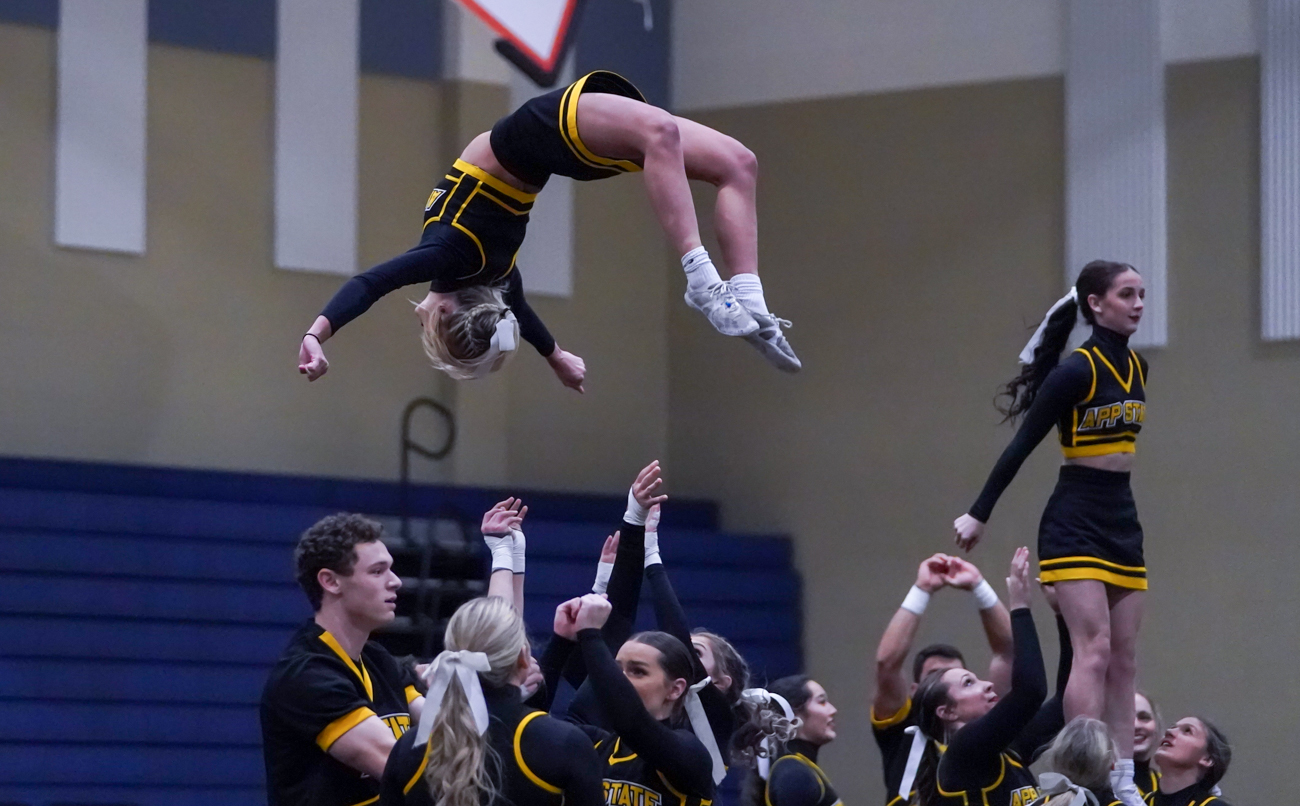
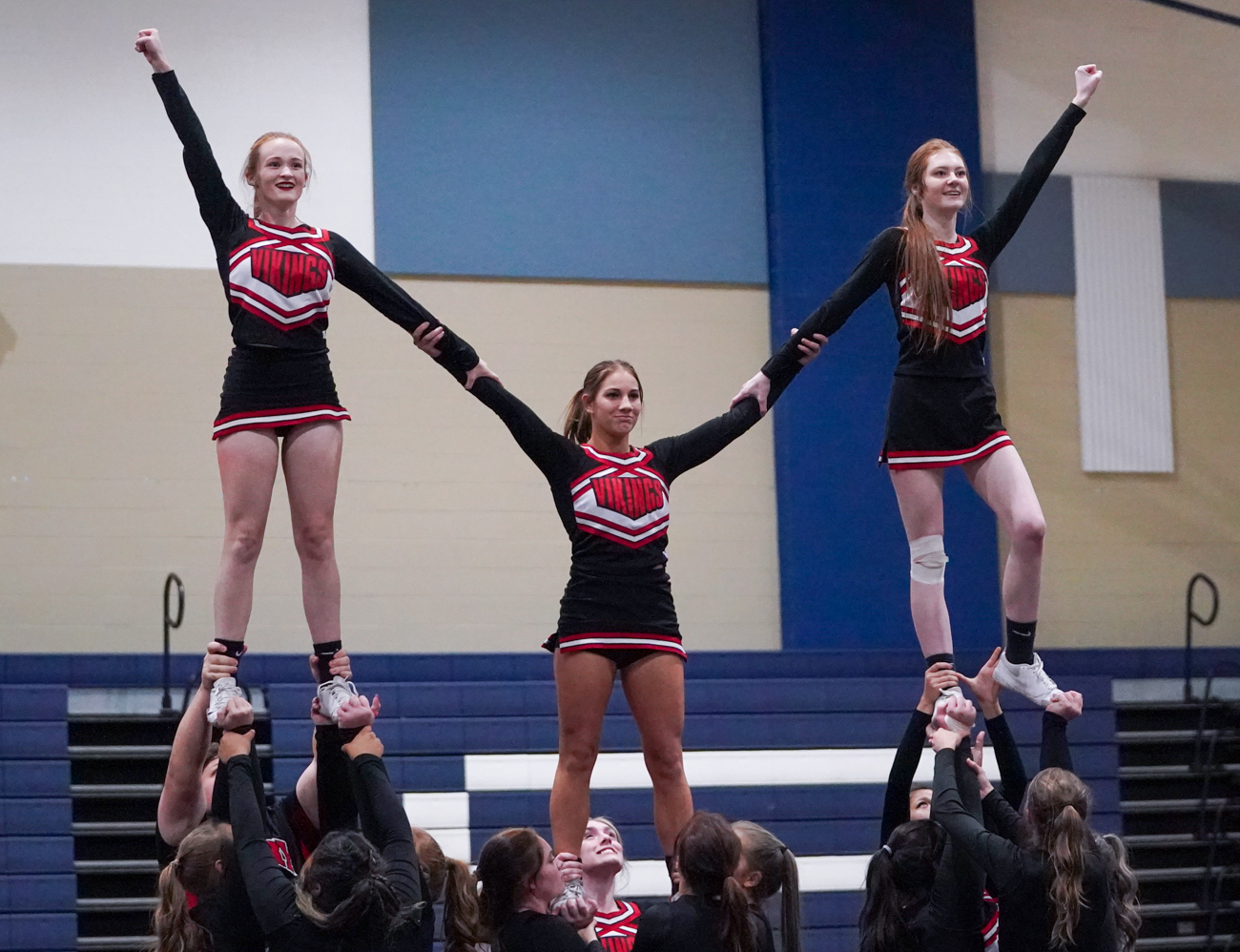
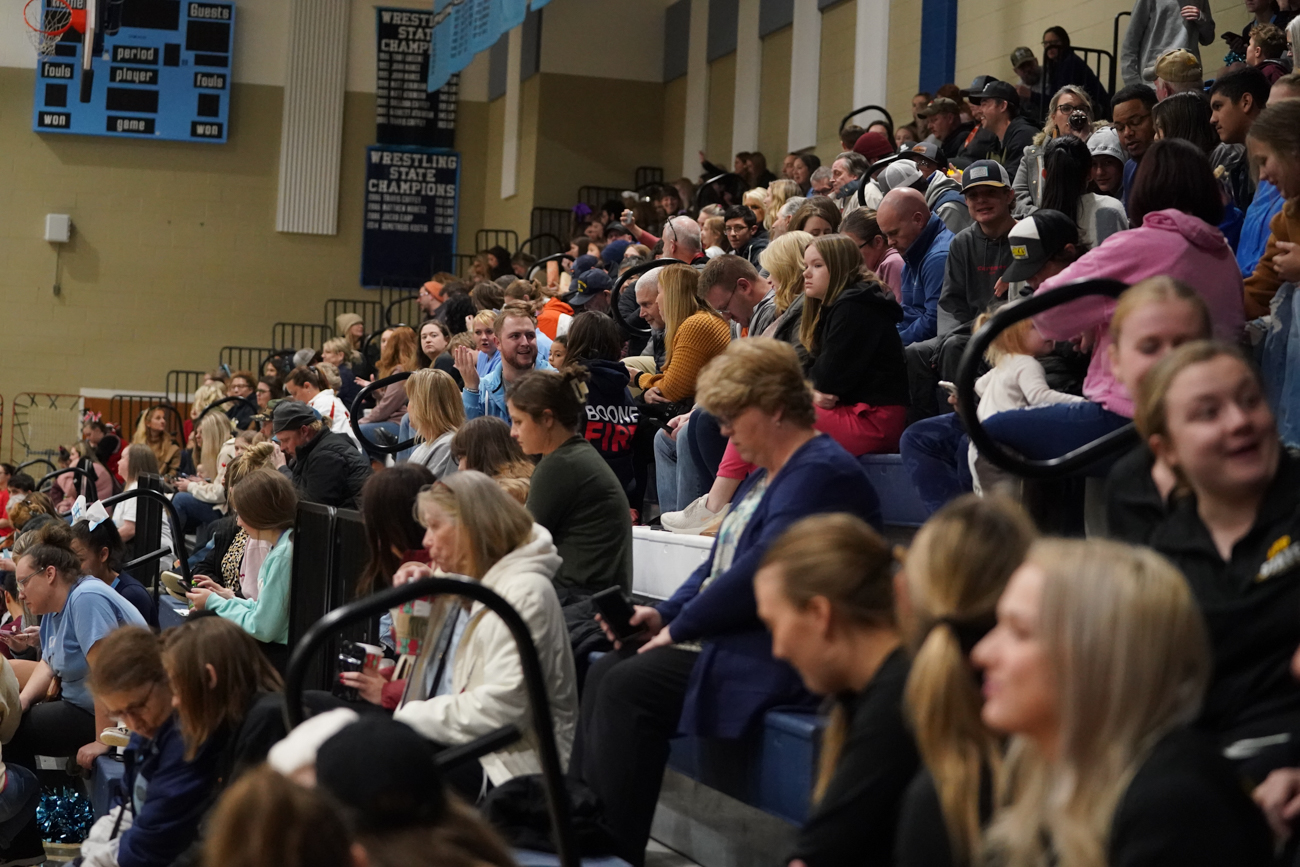
    By David Rogers. BOONE, N.C. — It is not even quite the holiday season and there was still lots of good cheer in the High Country on Nov. 16, literally. A total eight regional spirit squads graced Lentz Eggers Gym with performances for an enthusiastic audience.

    Included in the event were the Watauga High School Pacers (dance team), the Appalachian State dance team, Avery County High School junior varsity cheerleaders, the Lees McRae College cheerleaders, the Watauga Middle School cheerleaders, Avery County varsity cheerleaders, Watauga High School cheerleaders, and the Appalachian State University cheerleaders.

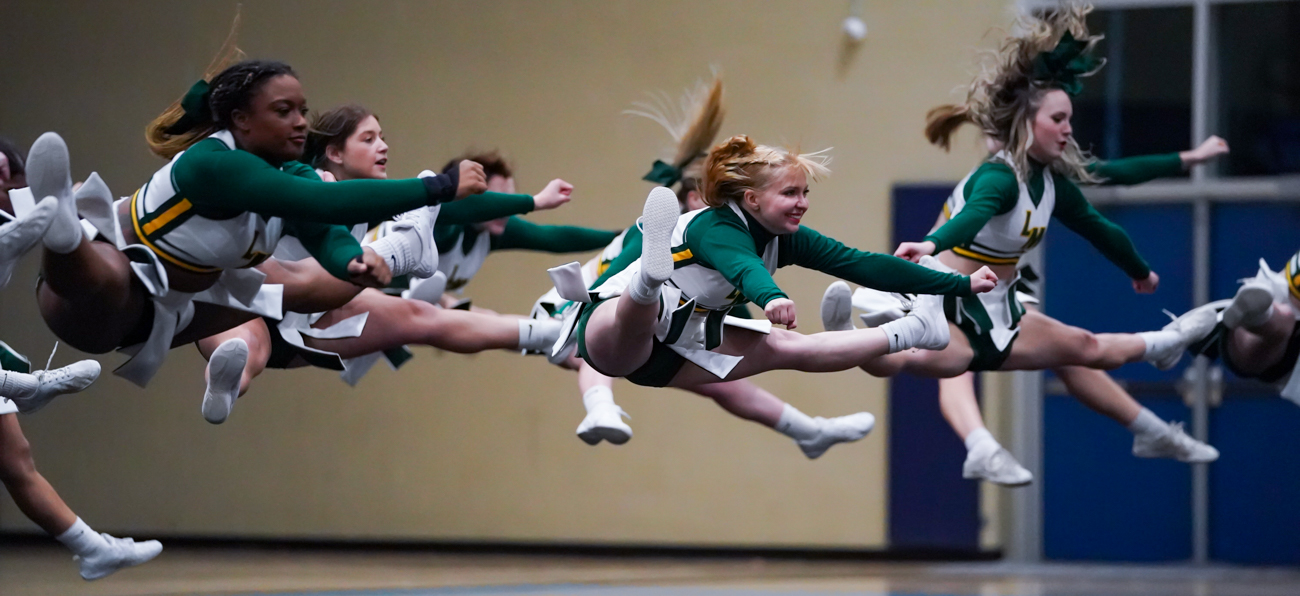
    The Lees McRae College cheerleaders had a very athletic performance, including many gymnastics and tumbling runs. Photo by David Rogers

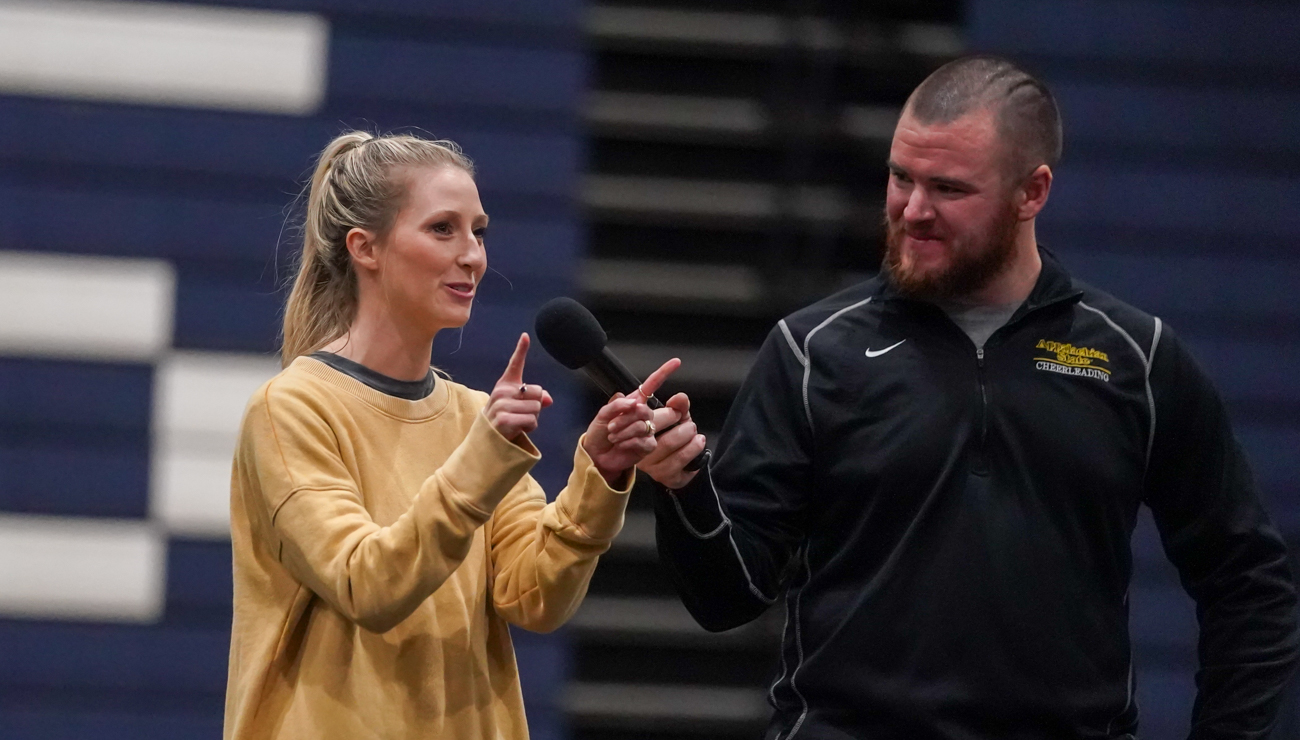
    The emcee for the event was Mason Morris, a former App State cheerleader and now affiliated with the Watauga team. Between each school’s performances, he interviewed one or more individuals from the teams, including Morgan Delgado, the head coach of Appalachian State’s team since 2014.

    Asked about one of her most memorable moments as App State’s cheerleading coach, Delgado reflected back on the Mountaineer football team’s trip State College, Pa., to play Penn State in September of 2018.

    Emcee Mason Morris interviews Morgan Delgado, head coach of the Appalachian State cheerleading team. Photo by David Rogers

    “If you follow App State football, you will remember that it was a close game. At the end, as Appalachian State’s players were leaving the field, the Penn State fans gave the team a standing ovation for their performance that day. That was touching. That was special,” said Delgado in recalling that the underdog App State had taken the game into overtime before losing on an interception in the end zone.

    Among the crowd of supporters and fans, Kim Soucek, mother of Watauga HS cheerleader Lucy Soucek, summed up the experience in telling High Country Sports, “This is a lot of fun to see what all the different schools are doing and all of the different levels, from big university to middle school. And the great thing is that they are all so supportive of each other, encouraging each other.”

    Of the cheerleading team members, most said that what is most special about the experience is how close they get to their teammates and the “family” atmosphere that the team experience creates.

    RANDOM IMAGES FROM THE NIGHT OF PERFORMANCES

    All photos by David Rogers

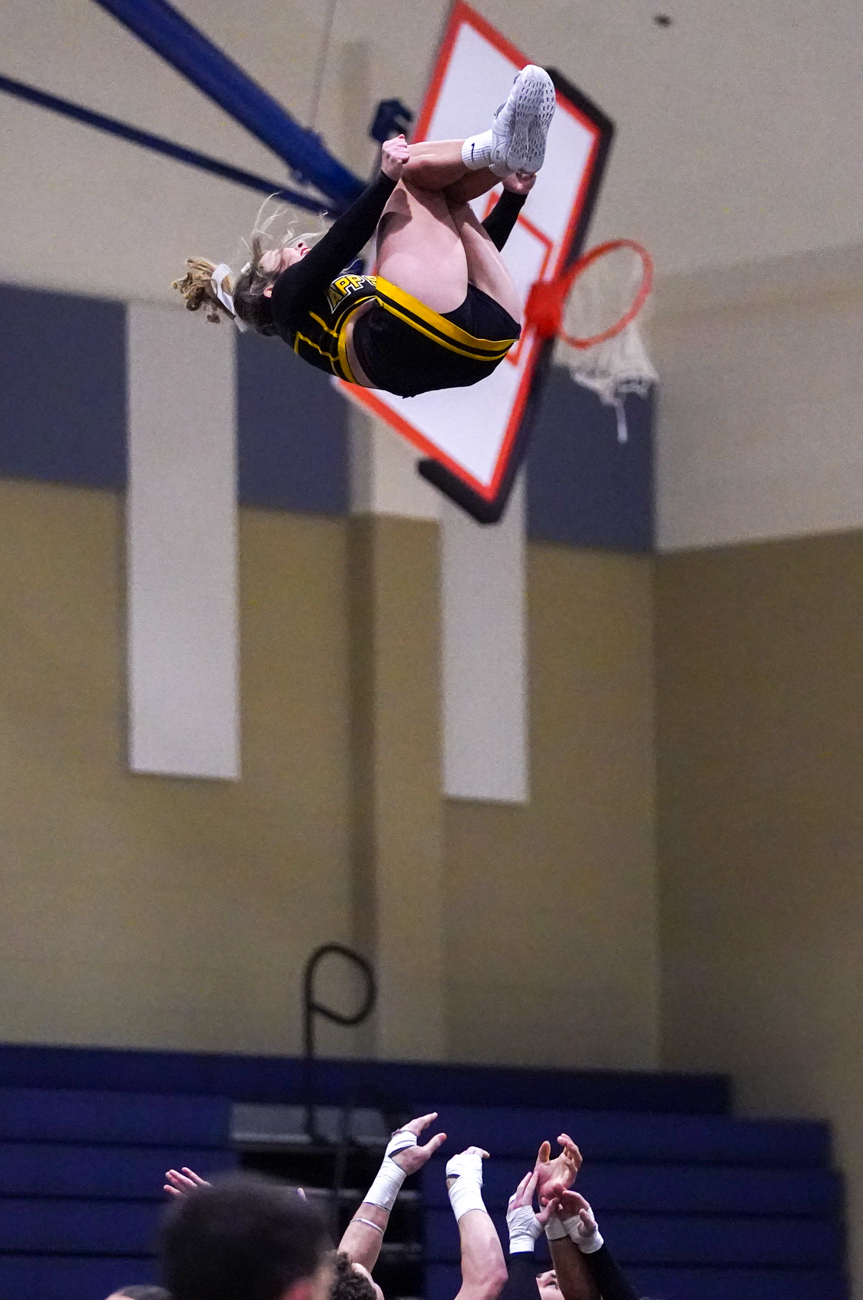
    To be thrown high into the air by teammates requires a corresponding high level of trust that you will be caught on the way down! Photo by David Rogers
  • An autumn adventure around Blowing Rock’s Bass Lake

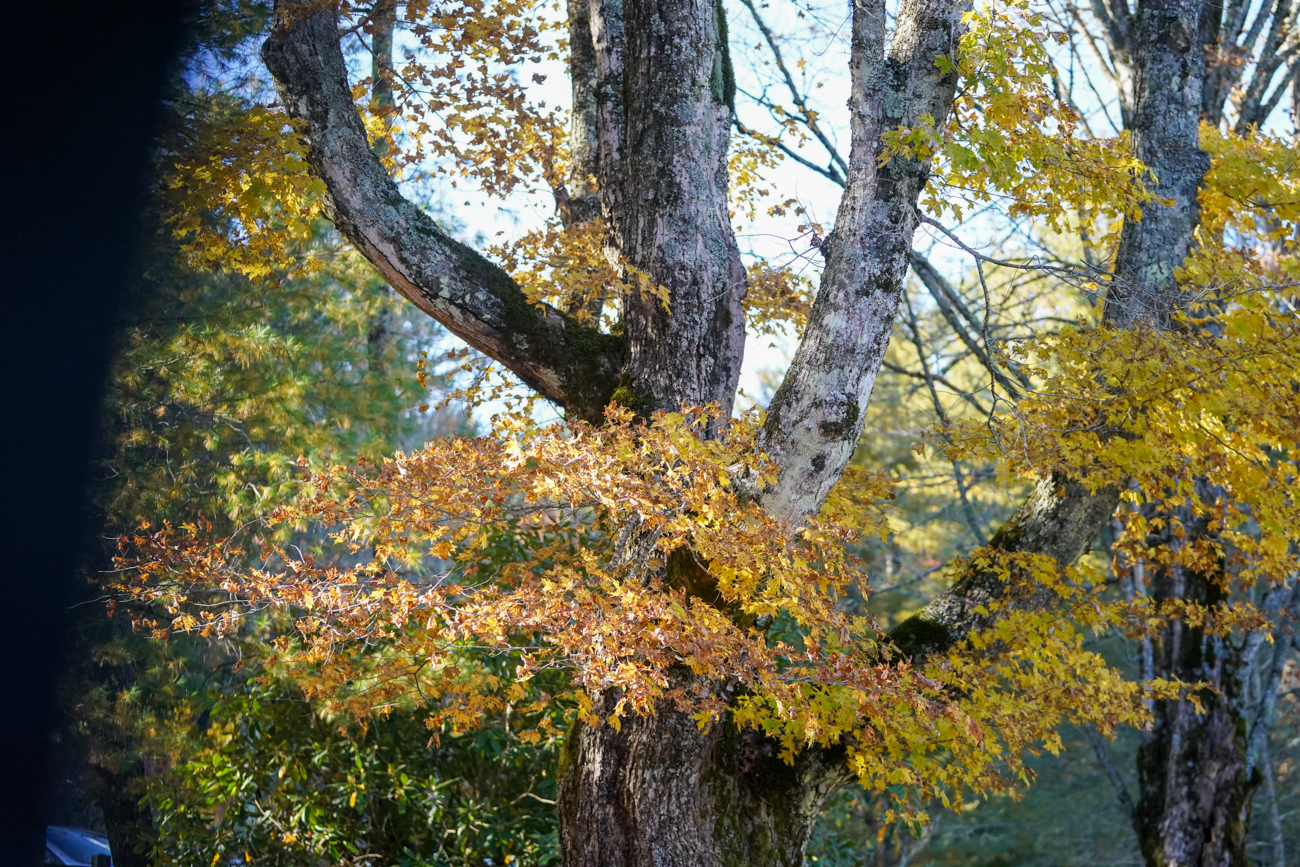
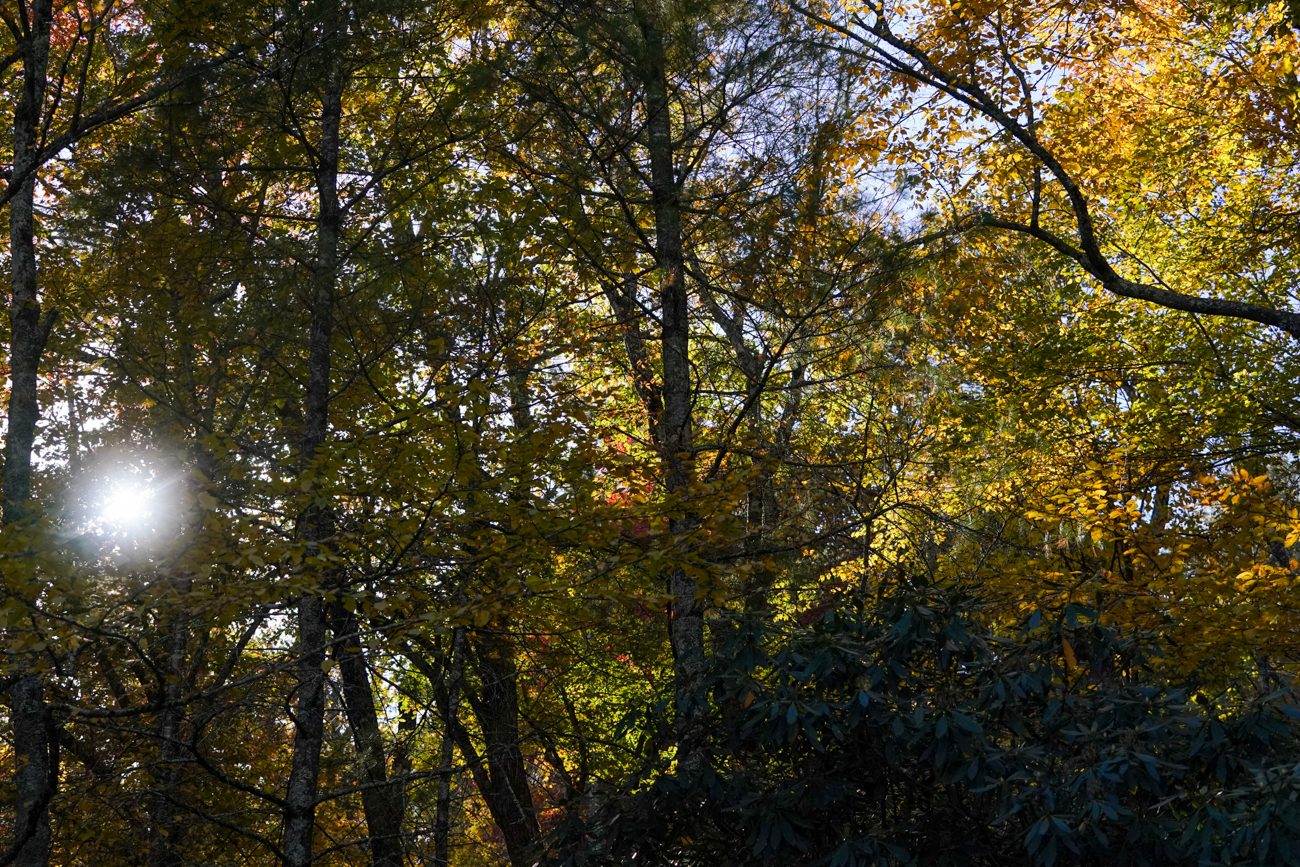
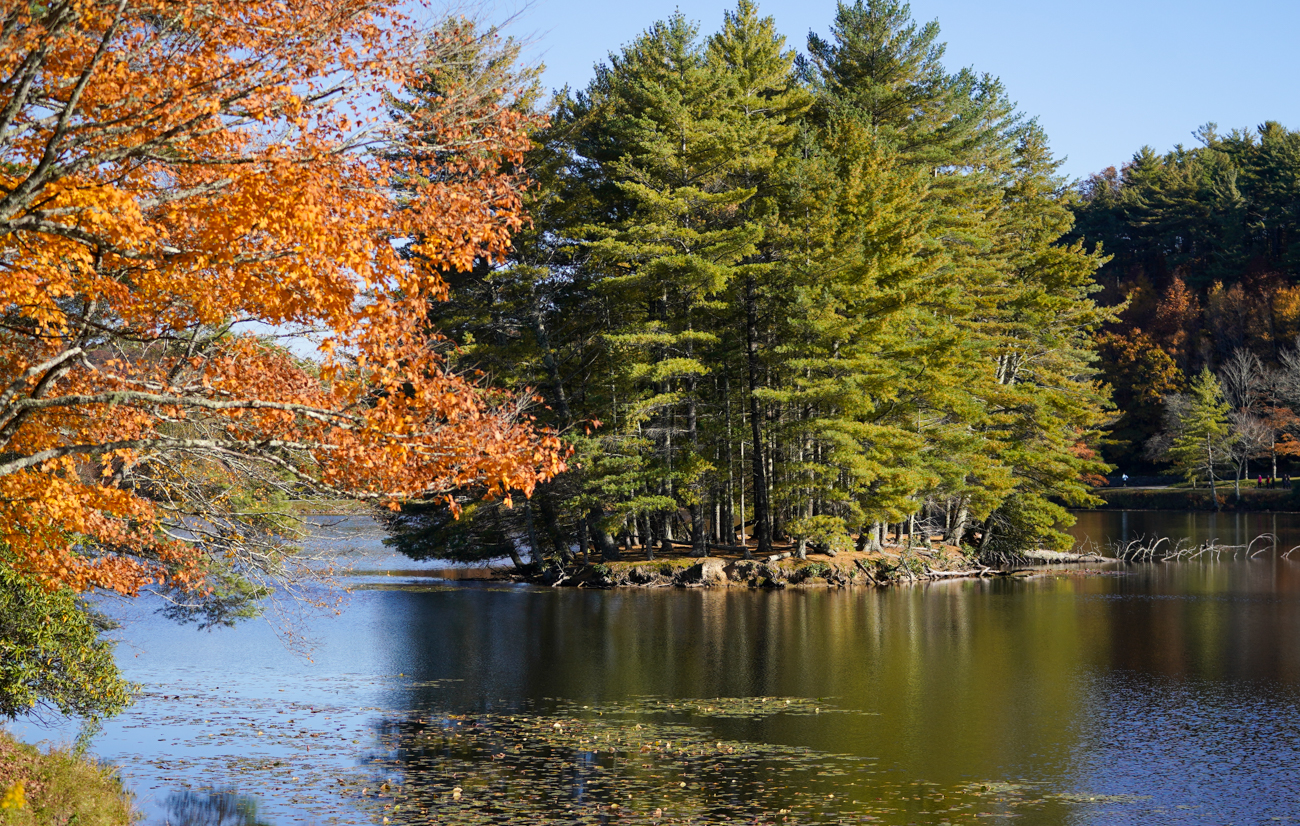
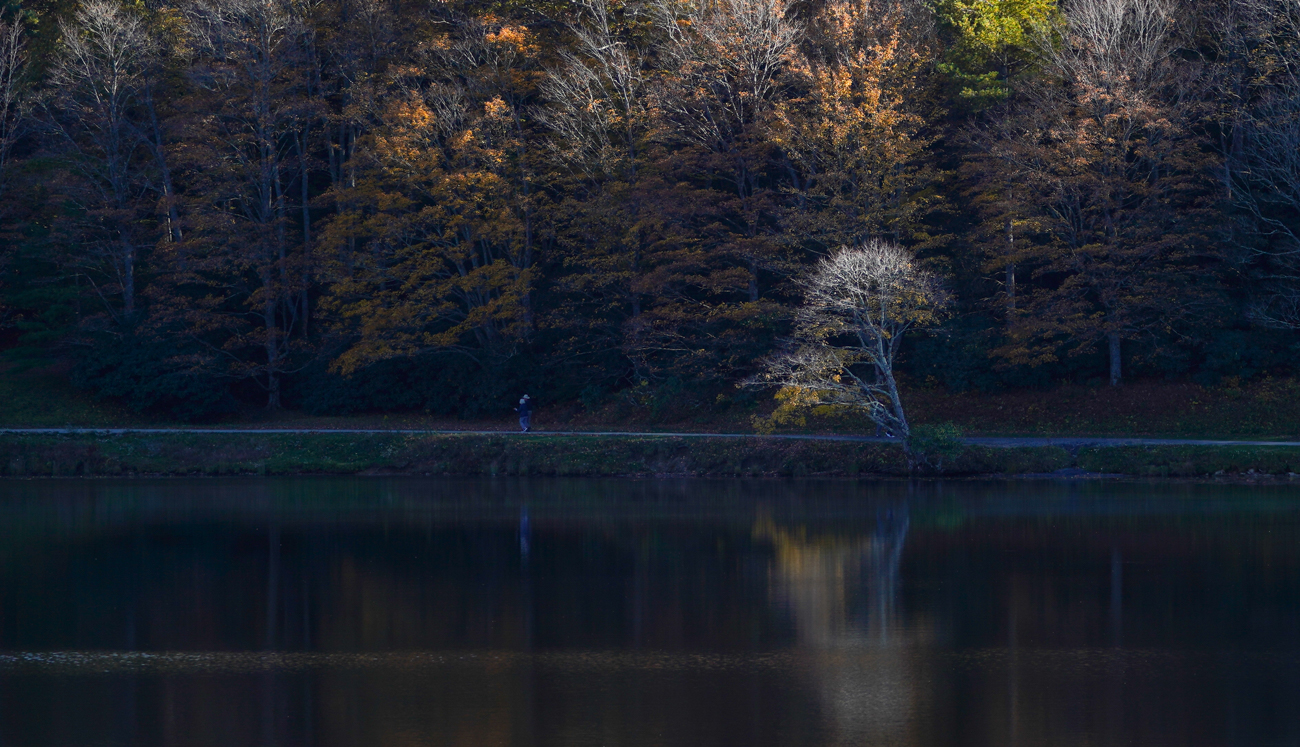
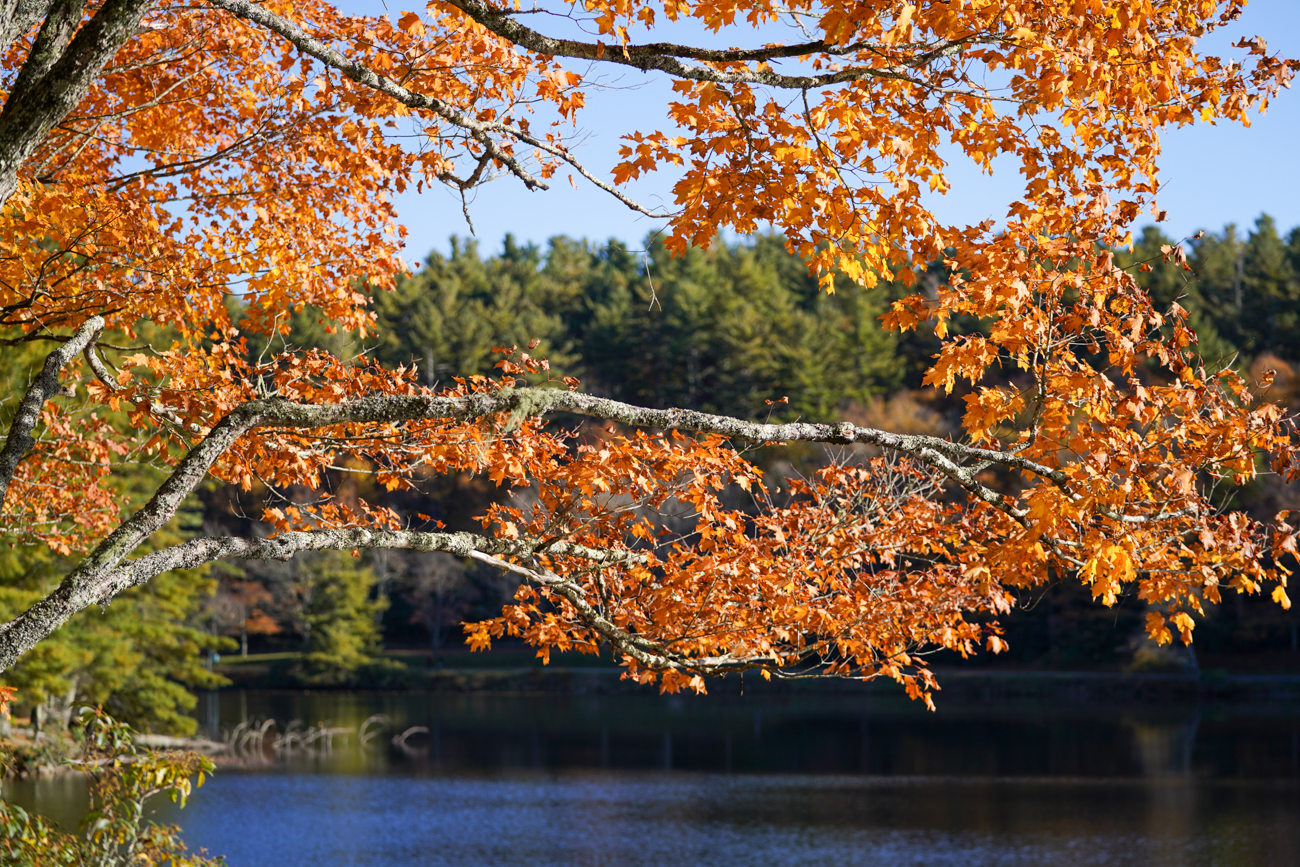
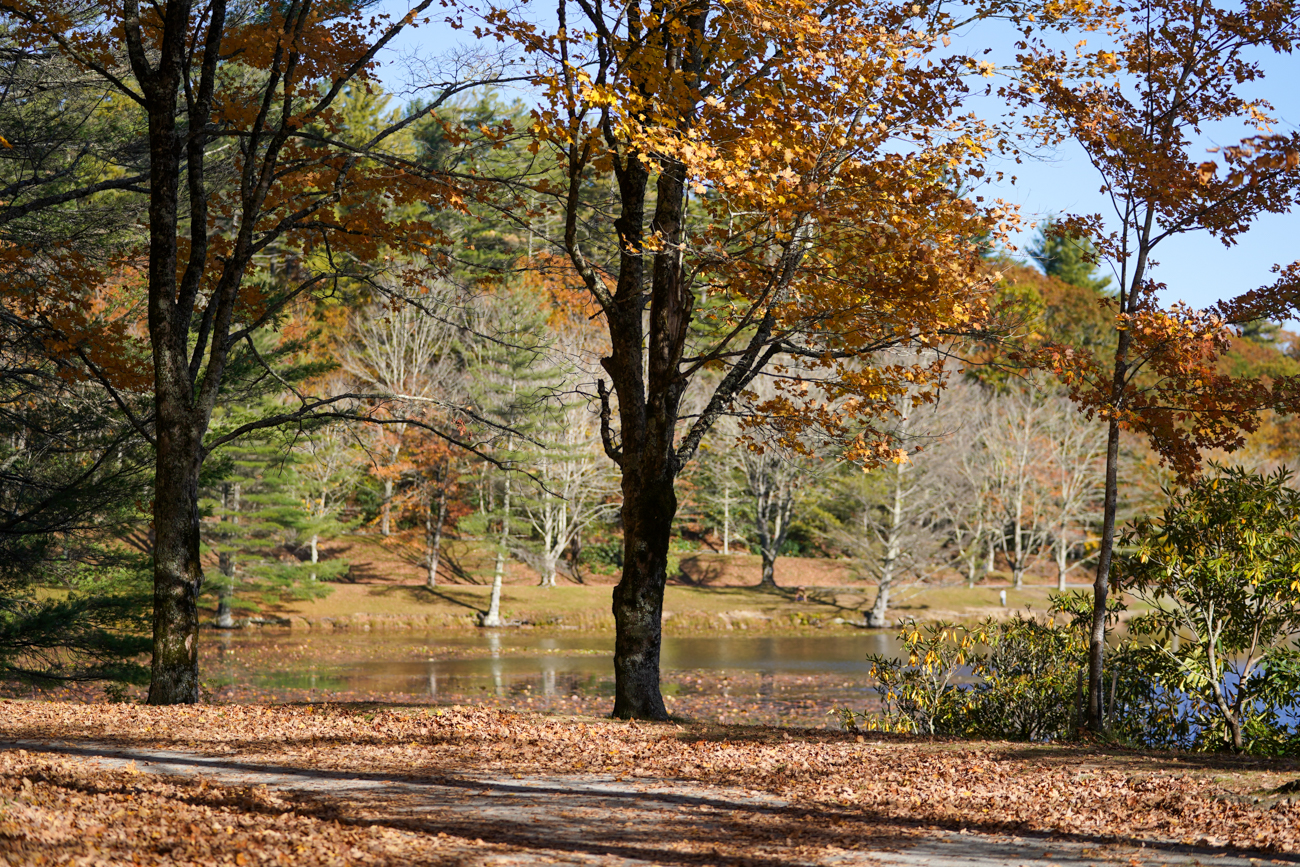
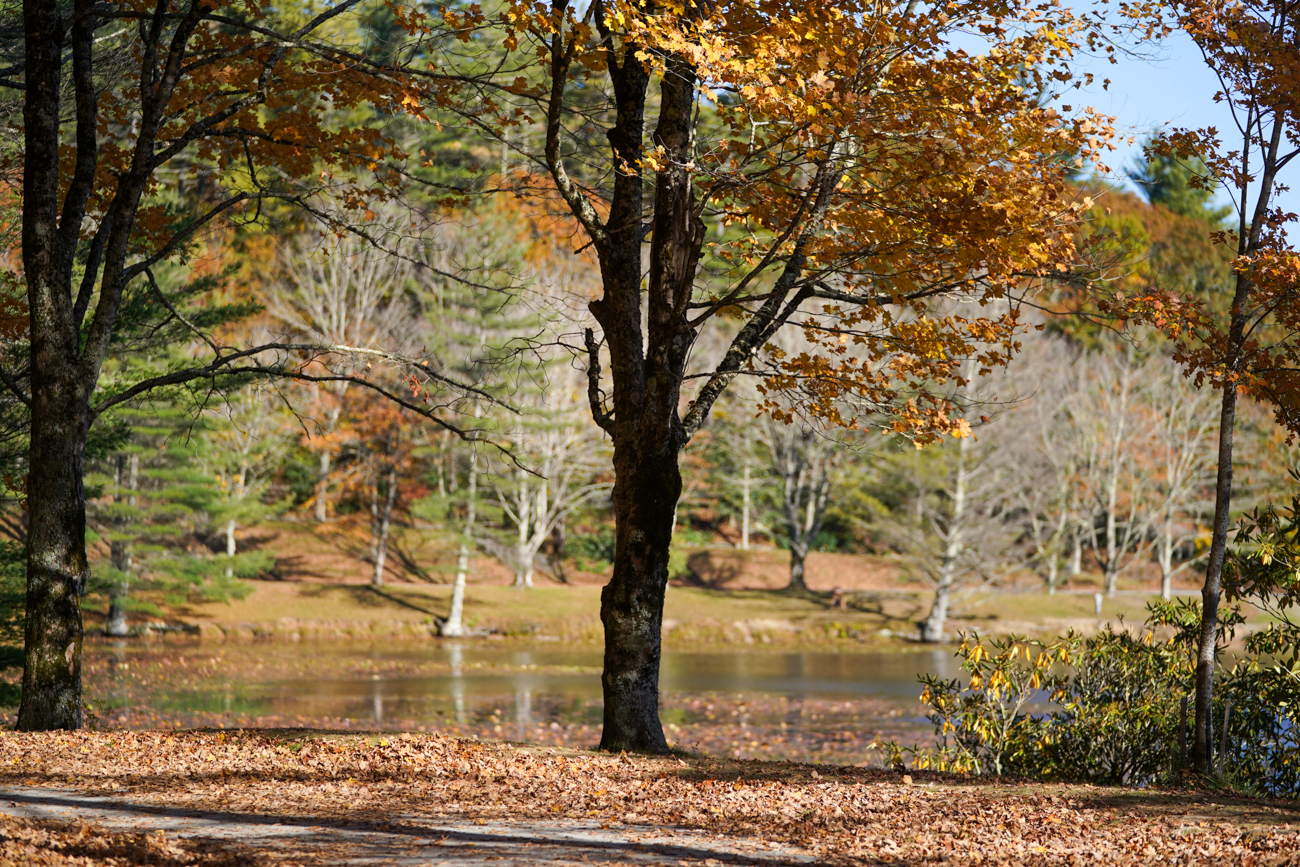
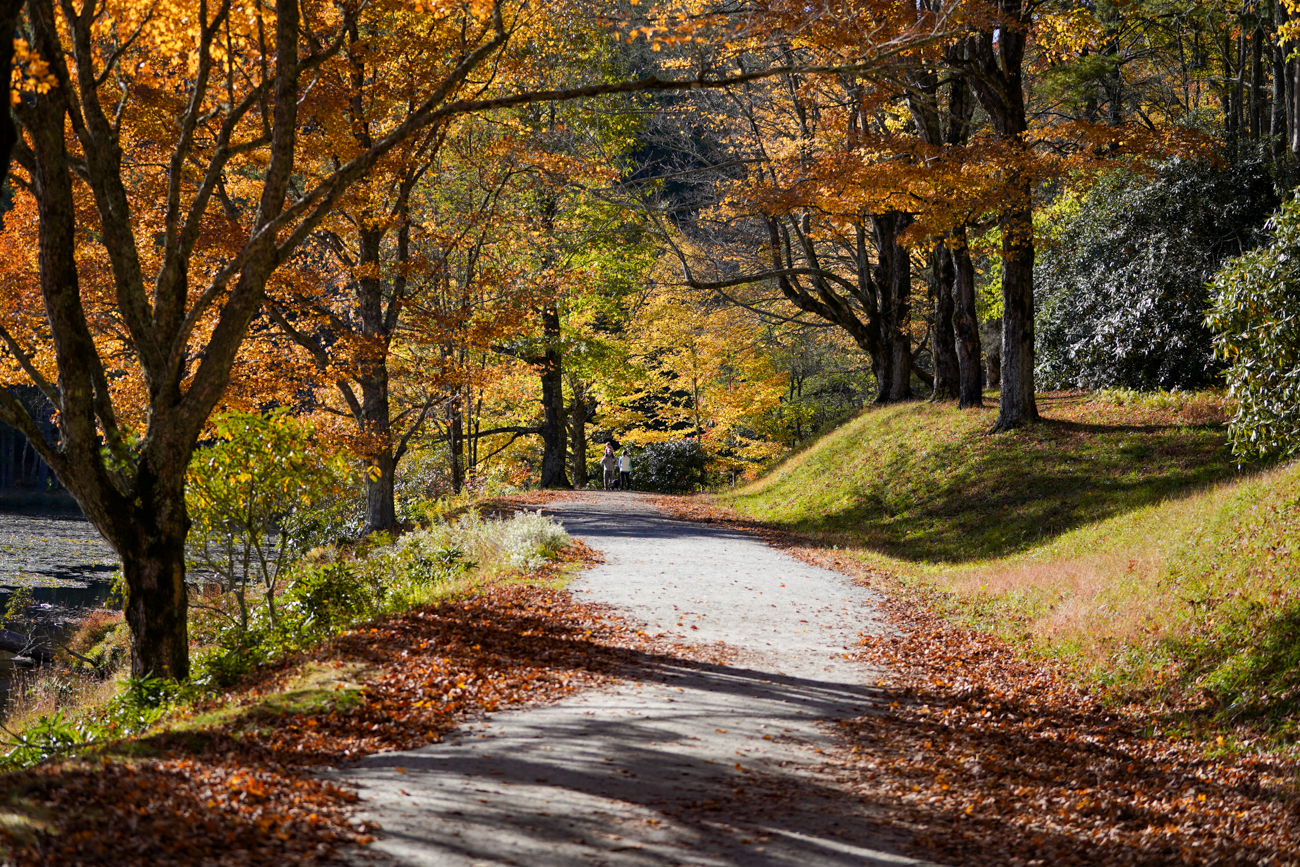
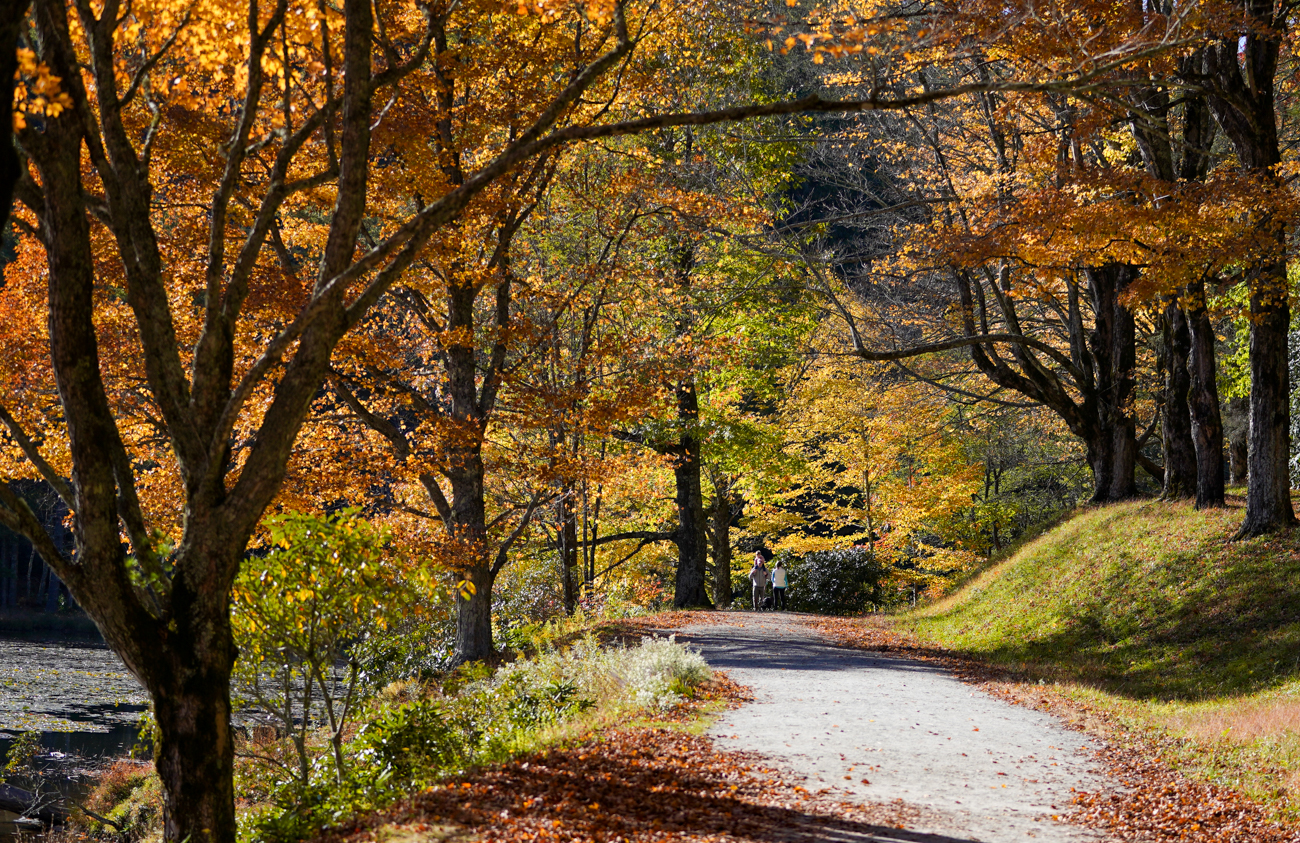
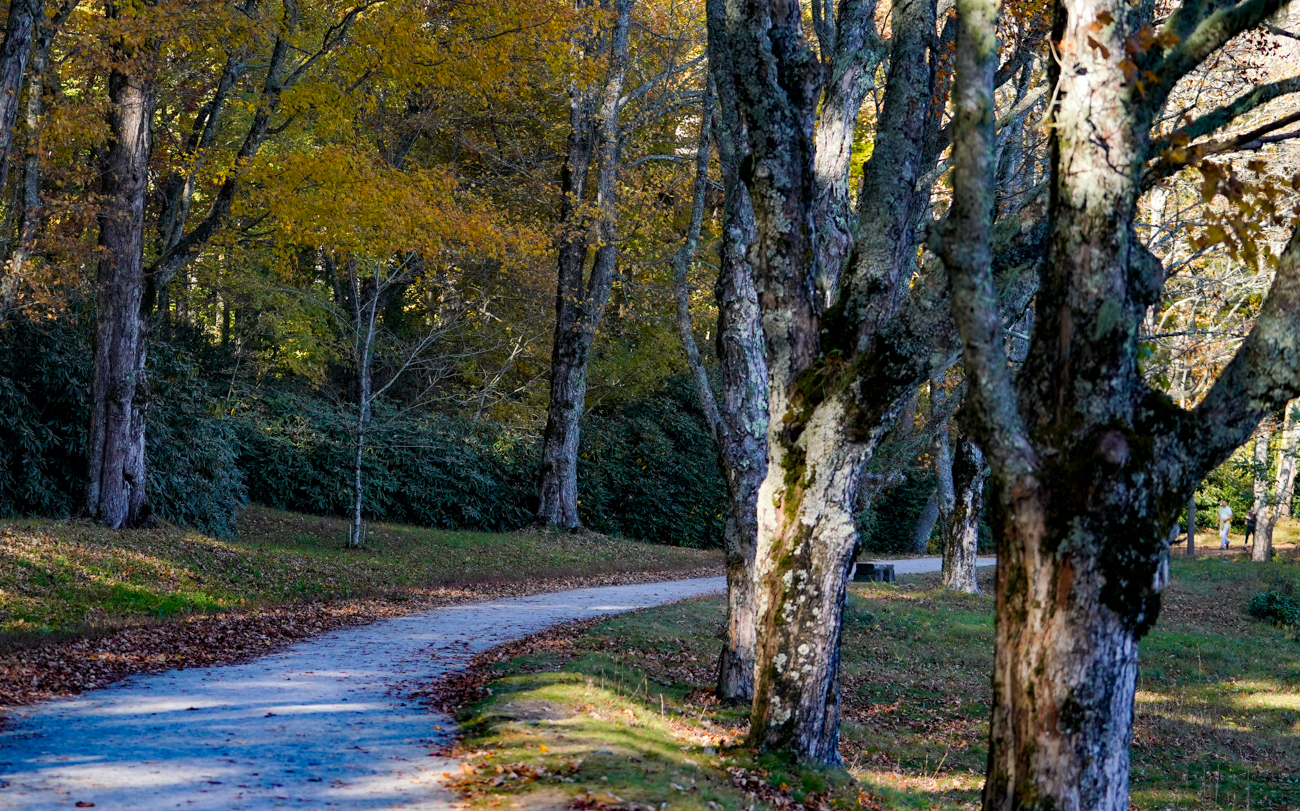
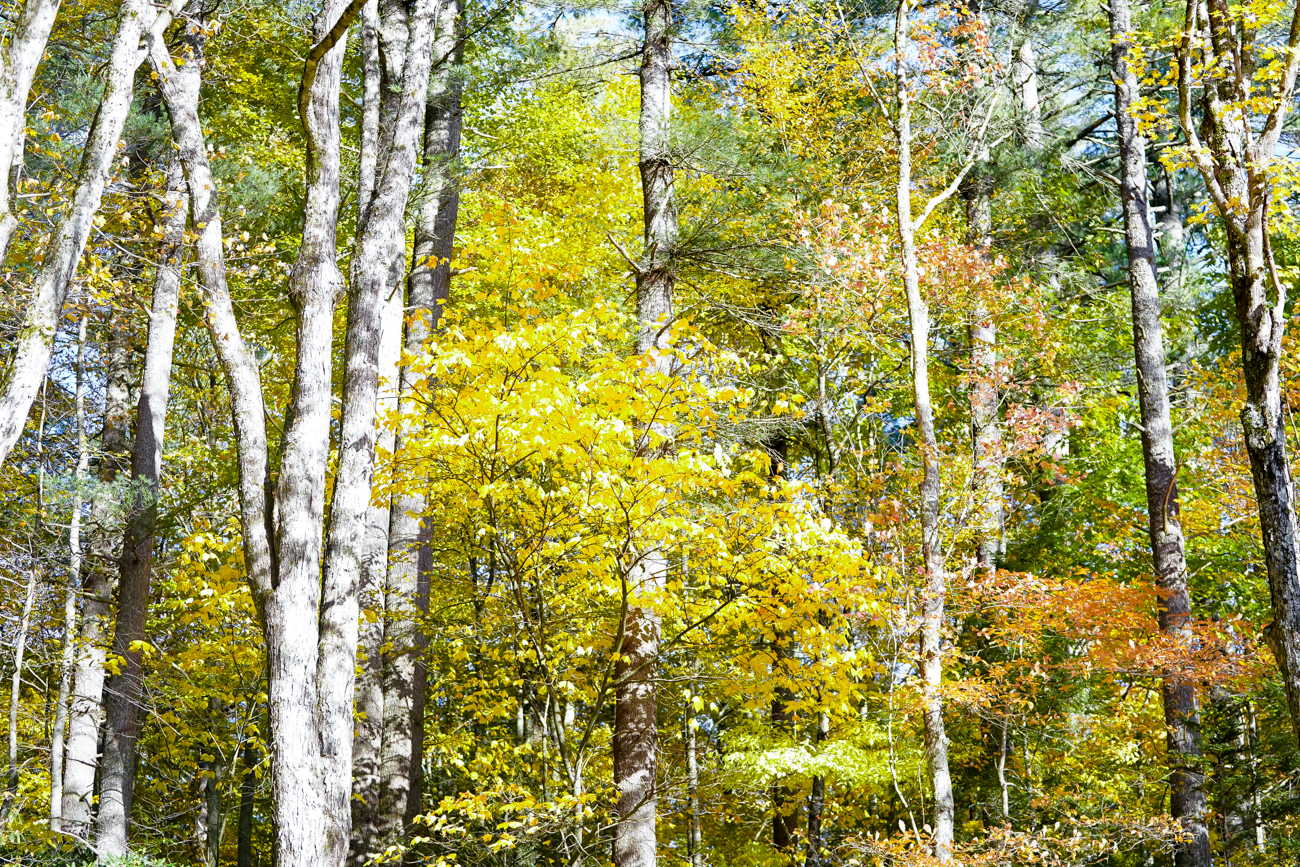
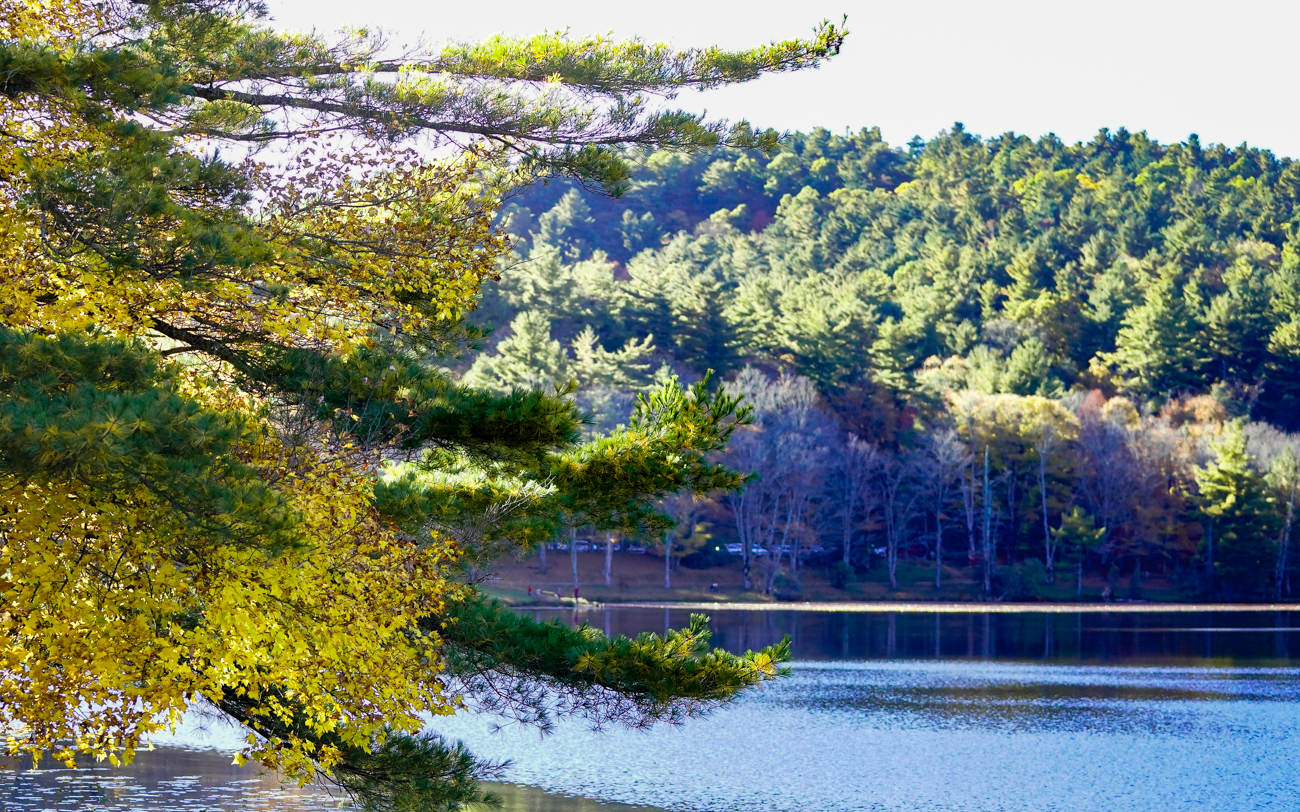
    By David Rogers. BLOWING ROCK, N.C. — Adventure takes many forms, with many different experiences in the High Country, even a relatively tranquil walk around Blowing Rock’s Bass Lake. Almost a mile around, it is an easy hike, but filled with spectacular autumn scenes during peak season for the “leaf peepers.”

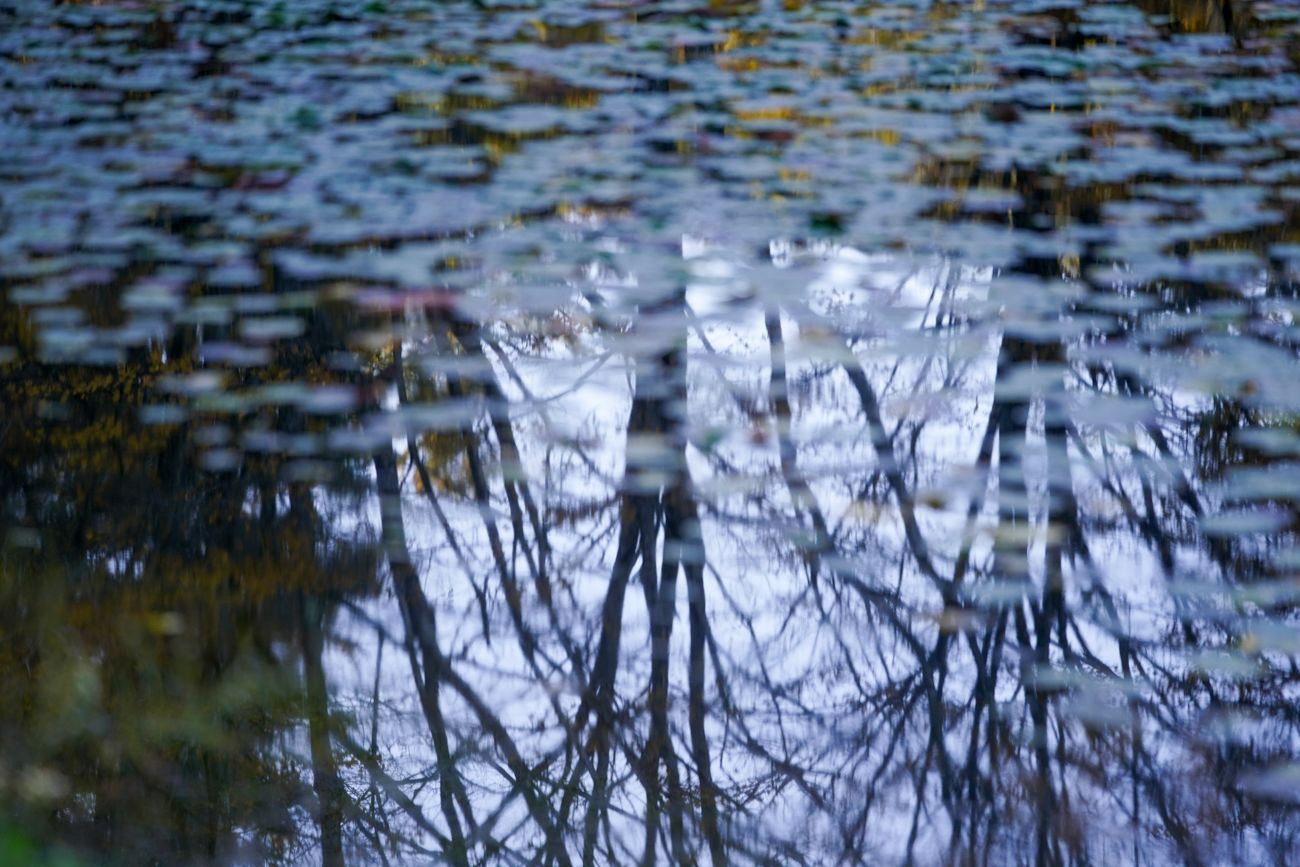
    Here are some scenes from the afternoon of Oct. 14, ranging from almost ghostly looking into a dark bog, to the luminous golden glow of trees preparing to shed their leaves before winter. Add in some reflections across the lake’s still waters or angular criss-crossings of tree branches — maybe even catch the sun peeking through the branches and leaves —  and Mother Nature is on fine display.

    All photos by David Rogers.